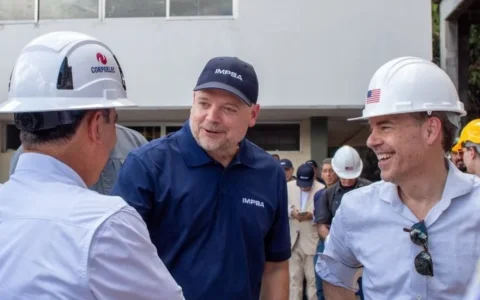
IMPSA begins rehabilitation of the Macagua and Tocoma hydroelectric plants in Venezuela
The company expects to recover 672 MW within 24 months and add the first 160 MW at Macagua in about 90 days. The program calls for hiring more than 1,000 workers
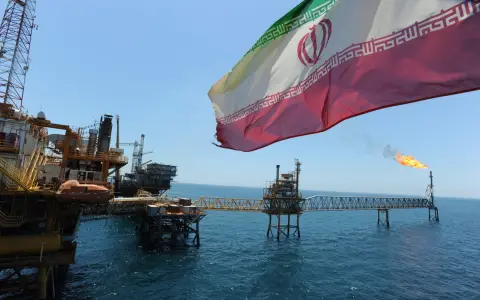

A focal point of international tensions, Iran holds the world’s third-largest proven oil reserves, estimated at about 208 billion to 209 billion barrels at the end of 2024, accounting for roughly 12% of global reserves and 24% of those in the Middle East
Analysts from UBS, Kpler, Ninepoint and Bison offer a technical take on Venezuela, Iran, energy and the market impact of geopolitical decisions led by Donald Trump and his former European allies.
This video shows the extraction of extra-heavy crude, characteristic of Venezuela’s Orinoco Oil Belt. After this stage, the oil is processed using inputs supplied by Iran, then transported by pipeline and ultimately exported to China.
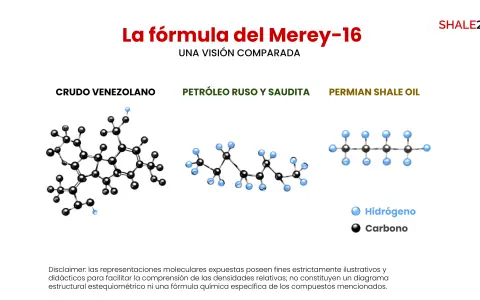
When different types of crude are compared, the mistaken idea sometimes arises that one type of oil is intrinsically “better” than another, but from a process engineering and asset-optimization perspective, the reality is very different.
Merey 16 is Venezuela’s benchmark crude, a heavy and sour oil that accounts for most exports by state-owned Petróleos de Venezuela S.A. (PDVSA). Why it matters and what it changes for other benchmark crudes.
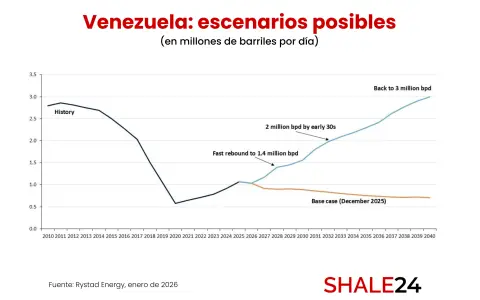
Leading international analysts agree on a common assessment: the short-term impact will be limited, the recovery will take years, and it will depend on institutional, legal and geopolitical factors rather than a simple lifting of sanctions.
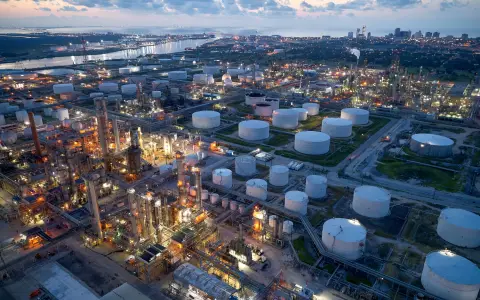
It has heavy crude refining capacity of about 749,000 barrels per day across three complexes. Its future will depend on political stability in Venezuela. Amber Energy is awaiting the completion of the sale. Three scenarios lie ahead.
Contrary to narratives that forecast the end of the hydrocarbons era in the medium term, market realities show that crude oil not only remains relevant, but that its importance continues to be strategic to the energy security of major powers.
Analysts warn that a violent disruption could temporarily reduce supply, affecting heavy crude prices and benchmarks such as Dubai versus Brent, as the global market would rely more heavily on substitutes from Canada or the U.S. Gulf of Mexico