#War in the Middle East

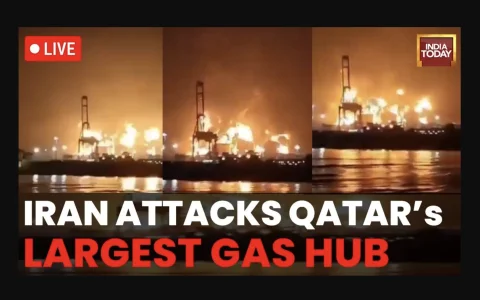
Ras Laffan
Urgent analysis

The refinery war has begun: Brent tops $111 and LNG surges by as much as 60%

In less than 24 hours, Iran struck Ras Laffan twice — the world’s largest liquefied natural gas export complex before the conflict — and hit refineries in Kuwait and Saudi Arabia. The benchmark crude price is trading at levels not seen since 2022. For Argentina, the equation has two sides, and neither is neutral.

JPMorgan issues a cautious outlook on the global economy.
War in the Middle East

Energy: JPMorgan warns demand destruction has already begun (and models aren’t measuring it properly)

In an Oil Flash Note, the bank’s Global Markets Strategy team estimated that the price effect of crude on global demand would trim just 1 million barrels per day in April. But there is a second form of demand destruction that standard elasticity does not capture: the one that occurs when physical inputs simply do not arrive. JPMorgan documented it company by company in Asia and concluded it is already underway.

Friday’s Morning Call.
Morning Call with Julián Guarino

Market prices in three weeks of conflict, but damage in the Persian Gulf will last months

Goldman Sachs projects Brent crude at $85 for April, assuming a short disruption in the Strait of Hormuz. But even with an immediate ceasefire, the energy infrastructure hit in Qatar, Saudi Arabia and the United Arab Emirates will take months to recover. In Friday’s Shale24 Morning Call, the analysis identified the gap between what prices are discounting and what the actual damage implies as the central risk the market has not yet fully priced in.

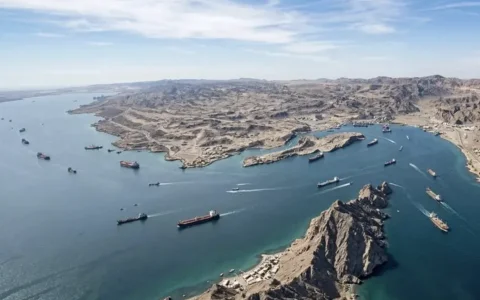
Strait of Hormuz, epicenter of global volatility.
LIVE: Strait of Hormuz closure

War in the Middle East: 10 questions on what’s happening to oil, LNG, gasoline and fertilizers in Argentina

Since the United States and Israel struck Iran on Feb. 28, the Strait of Hormuz has entered an active crisis. Brent crude has risen above $100 a barrel for the first time in four years, the global liquefied natural gas (LNG) market has been shaken, and fertilizer prices have already increased by as much as 35%. Argentina is playing on both sides of the field.