
Global steelmaking giant ArcelorMittal has taken a formal step into mining in Argentina with the incorporation of ArcelorMittal Mining Argentina S.A.U., registered on Dec. 11, 2025, with the country’s General Inspectorate of Justice.
The new company, fully controlled by ArcelorMittal Netherlands B.V. (Rotterdam), was established with share capital of 30 million pesos, fully subscribed and paid in cash. Its bylaws allow for capital increases of up to five times the initial amount by shareholder approval.
The company’s corporate purpose is broad, covering the exploration and exploitation of mineral deposits under Argentina’s Mining Code, as well as the extraction, processing, refining, grinding, transportation and commercialization of minerals and byproducts. It also includes related services such as technical assistance, technological advisory work, associated infrastructure and participation in public and private tenders, both domestically and abroad.
The move comes as ArcelorMittal already operates in Argentina through Acindar, its main steelmaking subsidiary, which has periodically adjusted production at its Villa Constitución plant in Santa Fe province amid weaker domestic demand from industry and construction.
ArcelorMittal already supplies key inputs to Argentina’s mining sector, including steel bars and grinding balls, and is now seeking to vertically integrate that value chain.
The new subsidiary is chaired by Armando Isasmendi, a lawyer with a background in mining and energy. Isasmendi previously served as a director at state-run oil company YPF in 2014, held roles at the Ministry of Energy and Mining Resources of Salta province, and has prior experience within the ArcelorMittal group. He takes the helm as Argentina seeks to attract large-scale mining investment under the Regime of Incentives for Large Investments (RIGI) and amid growing interest in the geological potential of provinces such as San Juan, Catamarca, and Salta.
Globally, ArcelorMittal ranks among the world’s five largest producers of iron ore and metallurgical coal. Its mining portfolio includes 14 operating units, geographically diversified and supplying both its own steel plants and the international market. Key mining assets include:
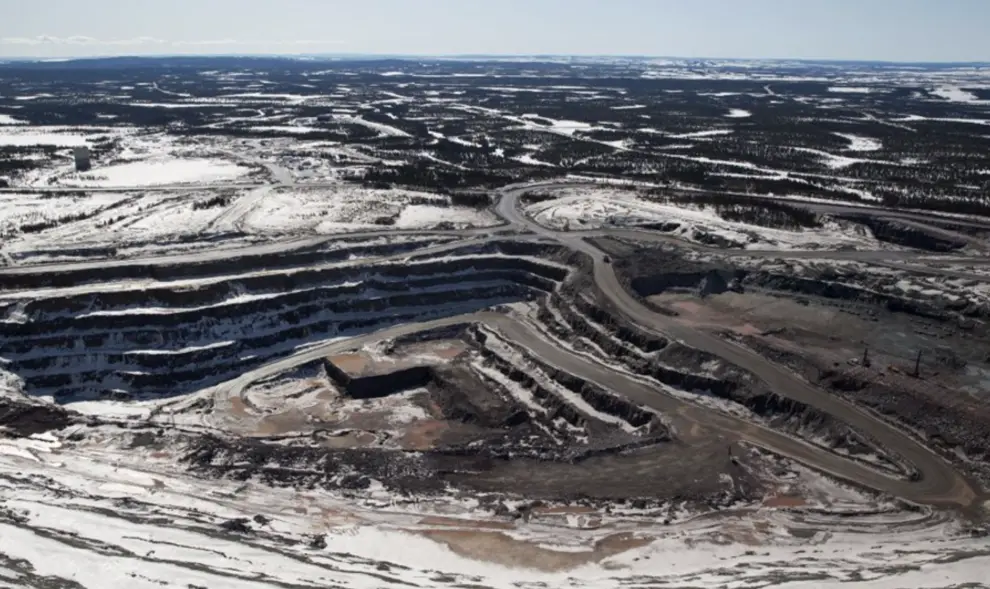
- Canada: Mont-Wright and Fire Lake in Quebec, the country’s largest open-pit iron ore complex, along with the Baffinland mine in Nunavut. These operations account for more than 30% of the group’s global iron ore supply.
- Liberia: The Yekepa operation, with a Phase II expansion project exceeding $1 billion, including a concentrator, a 420-kilometer railway and a port, aimed at reaching 15 million tons per year of concentrate.
- Brazil: The Andrade mine, which produces lump ore and fines for local steel integration and has recorded decades without fatal accidents.
- Ukraine: Mines associated with ArcelorMittal Kryvyi Rih, the country’s largest steel producer, though operations face regulatory and energy-related challenges.
- Mexico, Bosnia and Herzegovina, Kazakhstan, South Africa and India: Iron ore and coal operations that reinforce geographic diversification and vertical integration.
With higher iron ore shipments expected from projects in Africa and North America, ArcelorMittal anticipates solid operational performance.
In Argentina, the group’s entry into the extractive segment offers a counterweight to pressures in the global steel market—largely shaped by China—and to domestic complaints over steel imports in public procurement. The move strengthens mining-steel synergies, reinforces the local value chain and aligns with Argentina’s economic recovery and export diversification efforts, as major players such as BHP, Rio Tinto, Glencore and Lundin Mining also deepen their commitments in the country.