
Mining strategy
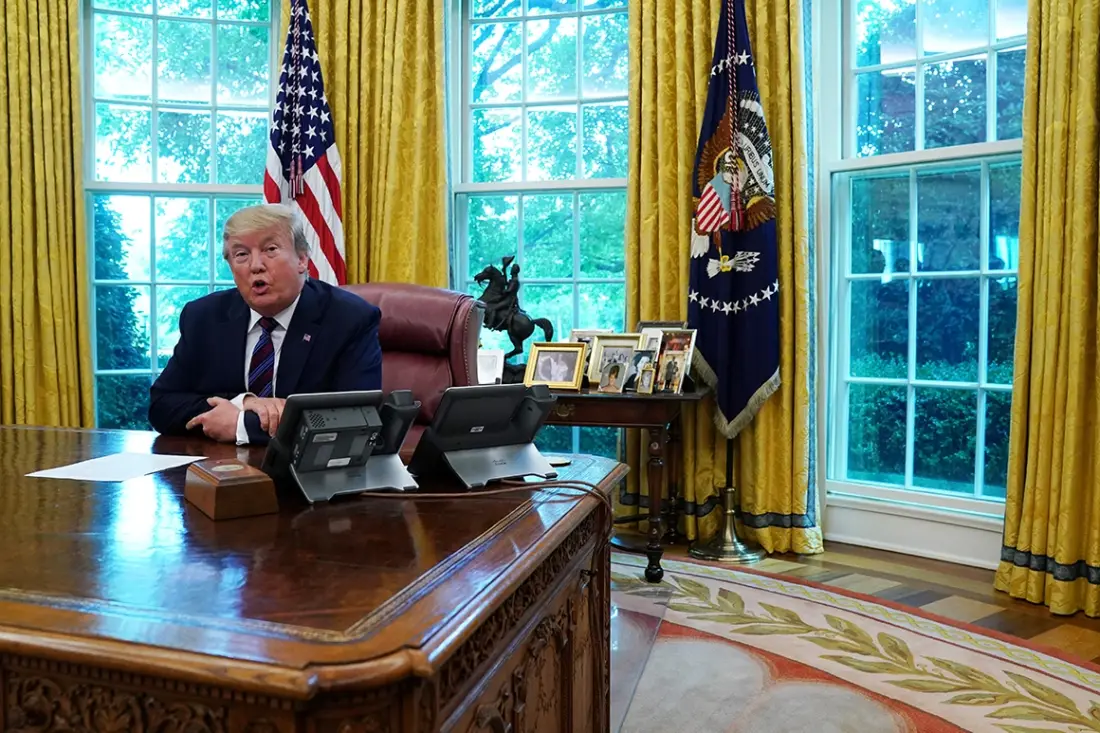
The Donald Trump administration is advancing an active strategy of intervention in critical minerals markets, with a particular focus on implementing price floors.
According to the White House, the central goal is to counter volatility driven by China, discourage dumping practices and promote domestic production as well as output in allied countries, amid a growing geopolitical dispute over strategic resources.
The price floor mechanism: how it works
A price floor is a guaranteed minimum value, set by the government or through negotiated agreements, below which the price of a mineral cannot fall in a given market.
For critical minerals, the Trump administration says this tool is intended to protect Western producers from what it calls China’s “predatory pricing” — a strategy in which Beijing floods the market with subsidized supply, drives prices down and pushes out non-Chinese competitors.

Implementation models
Bilateral or multilateral agreements with allies
Under Section 232 of the Trade Expansion Act of 1962 — a statute that allows the U.S. to restrict imports on national security grounds — Trump ordered negotiations with allied countries such as Australia, Japan, Thailand and Malaysia to incorporate price floors into strategic trade agreements.
These deals have led to the creation of “high-standard markets,” where participants must meet strict requirements, including the absence of distortive subsidies, forced labor or unfair practices, while operating with more stable pricing through guaranteed floors or secured purchase contracts known as offtake agreements.
A flagship example was the July 2025 agreement with MP Materials, in which the U.S. Department of Defense guaranteed a $110-per-kilogram price floor for neodymium-praseodymium (NdPr), a key input for permanent magnets used in defense systems and advanced technology. The framework also included a government equity stake and 10-year purchase commitments. If the market price falls below the threshold, the government compensates the difference through direct purchases or subsidies.
Import floors and broader market measures
When bilateral negotiations stall, the administration has considered applying minimum import prices for certain critical minerals.
Such measures raise the cost of low-priced Chinese imports through tariffs, trade restrictions or the direct imposition of floors under Section 232, with the aim of stabilizing the broader market.
Complementary government tools
The price floor framework is integrated with other public policies, including:
- Strategic reserves (stockpiles), among them Project Vault, with a $12 billion budget.
- Government equity stakes in key projects.
- Public financing through the Export-Import Bank of the United States (Ex-Im Bank) and the U.S. International Development Finance Corporation (DFC), aimed at reducing risk for private investment.
The broader objective outlined by the White House is to create predictability so producers know they will not face abrupt losses from Chinese dumping, encouraging investment in mining, processing and manufacturing in the United States and allied nations.
However, critics warn about fiscal risks, the cost of subsidies and the complexity of setting prices without distorting markets.
Who stands to benefit
According to the Trump administration, companies such as MP Materials in the United States, Lynas in Australia and mining firms in partner countries benefit from more stable revenues, attracting private investment and preventing shutdowns during periods of depressed prices. Price floors reduce volatility and allow producers to scale output without fear of unfair competition from China.
Battery manufacturers such as General Motors and Tesla, technology companies including Apple and Google, defense contractors like Boeing and Lockheed Martin, and renewable energy firms such as GE Vernova gain access to more predictable supplies, priority sourcing and reduced dependence on China. This lowers the risk of disruptions and strengthens the domestic supply chain.
The Pentagon and the Department of Defense are among the direct beneficiaries, securing access to critical materials for magnets, missiles, radar systems and electrified military vehicles while reducing geopolitical vulnerabilities.
Countries such as Australia, Japan and Thailand obtain preferential market access, stable pricing, financing and technology transfer, reinforcing strategic alliances in the face of China.
Lower risk tied to guaranteed purchase contracts and price floors is also expected to encourage private capital to enter projects that would otherwise be economically unviable without government backing.