Ernesto Díaz of Rystad: Iran’s impact on Vaca Muerta and inflationary pressure in Argentina
The analyst, Rystad Energy’s vice president for Latin America, discusses the oil and gas outlook shaking the Middle East and its repercussions for Argentina.
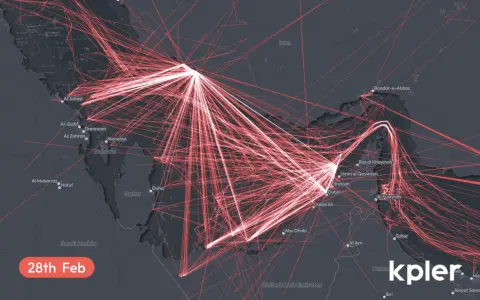
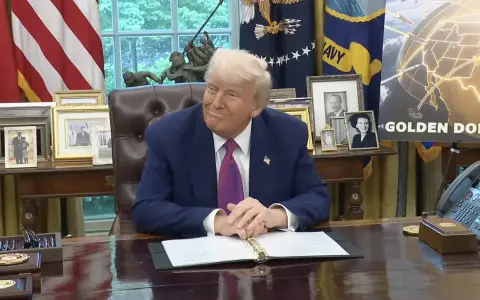
Analysts say Iran is using the threat to the Strait of Hormuz to pressure the United States, putting the promise of cheap energy at risk. The conflict is adding political strain just months ahead of the midterm elections.
Leading Middle East, national security and intelligence expert Danny Citrinowicz argues that the Trump administration faces a strategic dilemma: U.S. and Israeli military superiority does not guarantee a political victory against a regime that will not yield on its nuclear program.
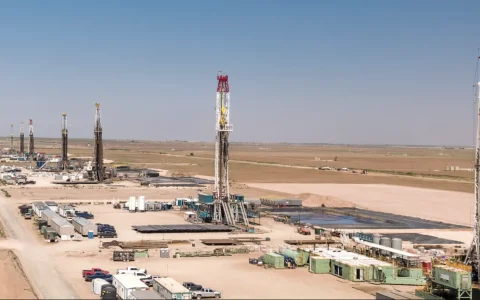
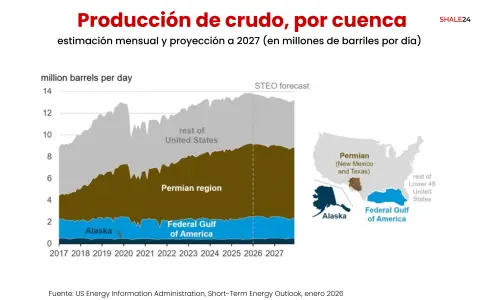
Although the basin remains highly productive, operators are placing less emphasis on drilling more wells and more on extracting value efficiently from existing developments. Technologies such as enhanced oil recovery (EOR), horseshoe wells, and artificial intelligence will be crucial to extending the life of this iconic U.S. shale basin.
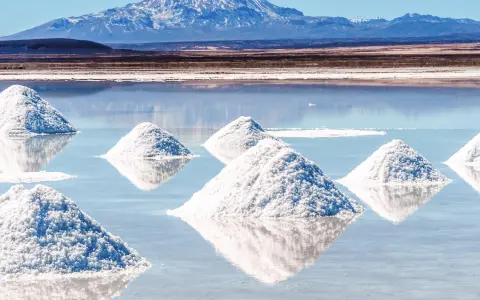
The strategy advanced by the Trump administration to intervene in critical minerals markets aims to curb Chinese dumping through price floors, secure strategic supply and strengthen production in the United States and allied countries.
The Trump administration is betting on a strategic reserve of critical minerals to counter China’s dominance, shield its supply chain and reshape the global balance of key resources for the energy transition and defense.
Merey 16 is Venezuela’s benchmark crude, a heavy and sour oil that accounts for most exports by state-owned Petróleos de Venezuela S.A. (PDVSA). Why it matters and what it changes for other benchmark crudes.
Analysts warn that a violent disruption could temporarily reduce supply, affecting heavy crude prices and benchmarks such as Dubai versus Brent, as the global market would rely more heavily on substitutes from Canada or the U.S. Gulf of Mexico
The White House presented its new National Security Strategy, prioritizing access to fossil fuels. The consequences of this geopolitical shift could be felt in Vaca Muerta.
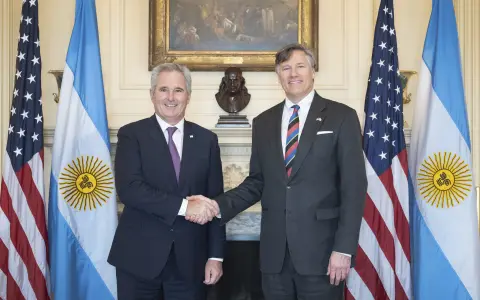
U.S. companies that receive loans or guarantees from EXIM are not allowed to use them for projects in Argentina, which the U.S. agency classifies as “high risk.”
The political context in the United States has implications for oil price dynamics