
The exported quantities increased by 78.5%.
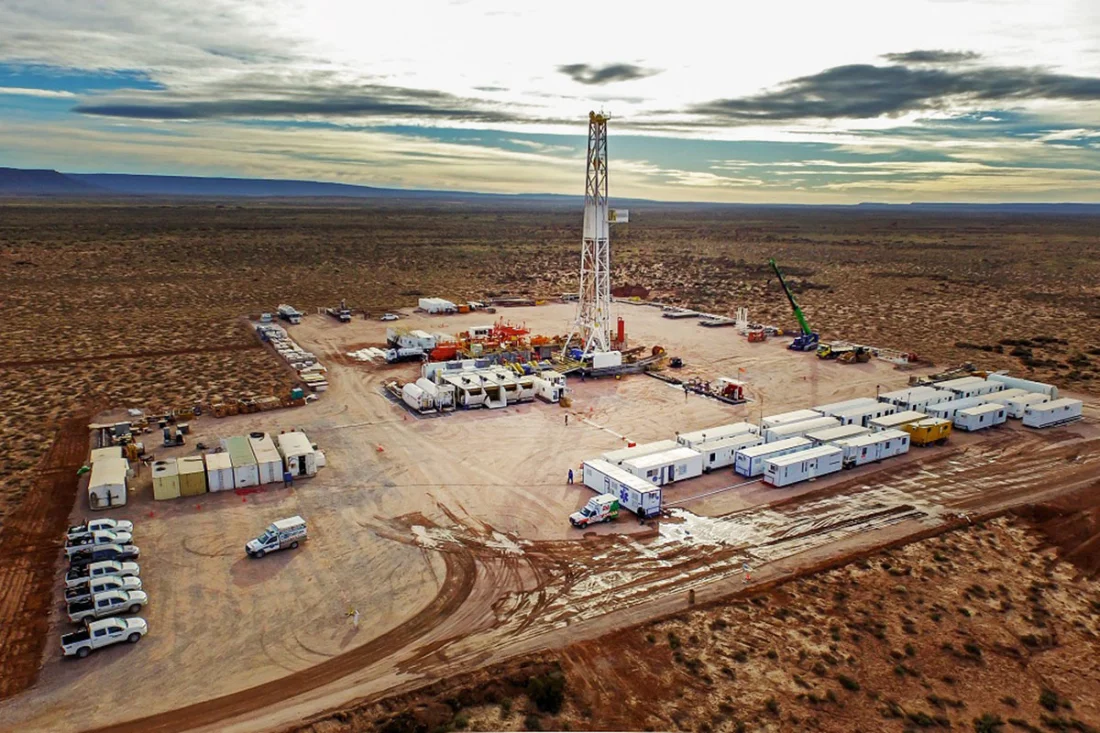
Argentina's crude oil production climbed to a record monthly average of 892,235 bbl/d in May, up 18.1% from the 755,667 bbl/d recorded in the same month of 2025, according to official figures from Argentina's Secretariat of Energy reviewed by Shale24. Vaca Muerta, the shale formation in Argentina's Neuquén Basin that ranks among the world's largest shale plays, drove the gain in both crude and natural gas.
The increase was powered by sustained growth in Neuquén shale oil, where highly productive wells and a production curve that has yet to flatten continue to lift output. Neuquén province alone contributed an average of 636,276 bbl/d in May, a 35.8% year-on-year increase, nearly double the national expansion rate.
That momentum lifted Neuquén's share of total Argentine crude production from 62.0% to 71.3% in just twelve months, a structural shift in the country's oil map. Within that provincial volume, Vaca Muerta accounts for 98% of Neuquén crude, confirming the operational maturity producers have reached in the most active shale play in the southern hemisphere.
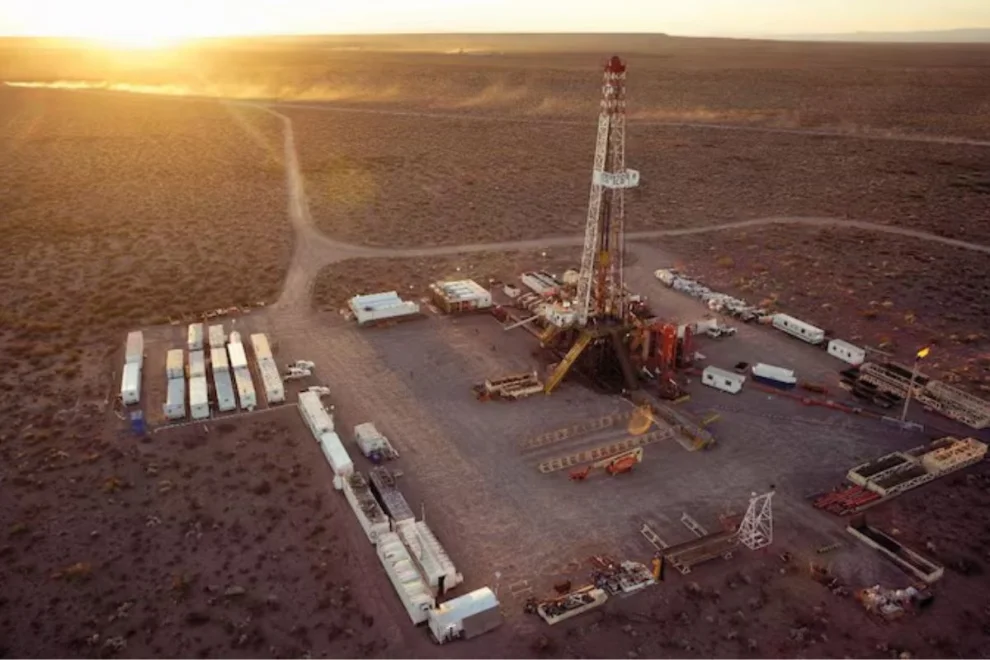
Gas Output Follows the Same Pattern
Natural gas told a similar story in May. Argentina produced an average of 155.96 MMm³/d, 5.6% more than the 147.68 MMm³/d of a year earlier. Neuquén grew at more than twice that pace, reaching 115.15 MMm³/d (a 12.5% advance from 102.38 MMm³/d in May 2025) and lifting its share of the national total from 69.3% to 73.8%.
The province leads not only in crude but also as the country's gas engine, a dual production profile that positions it as the most strategic asset in Argentina's energy system: for domestic supply, as the southern-hemisphere winter heating season begins, and for the export agenda the sector is building toward future LNG projects.
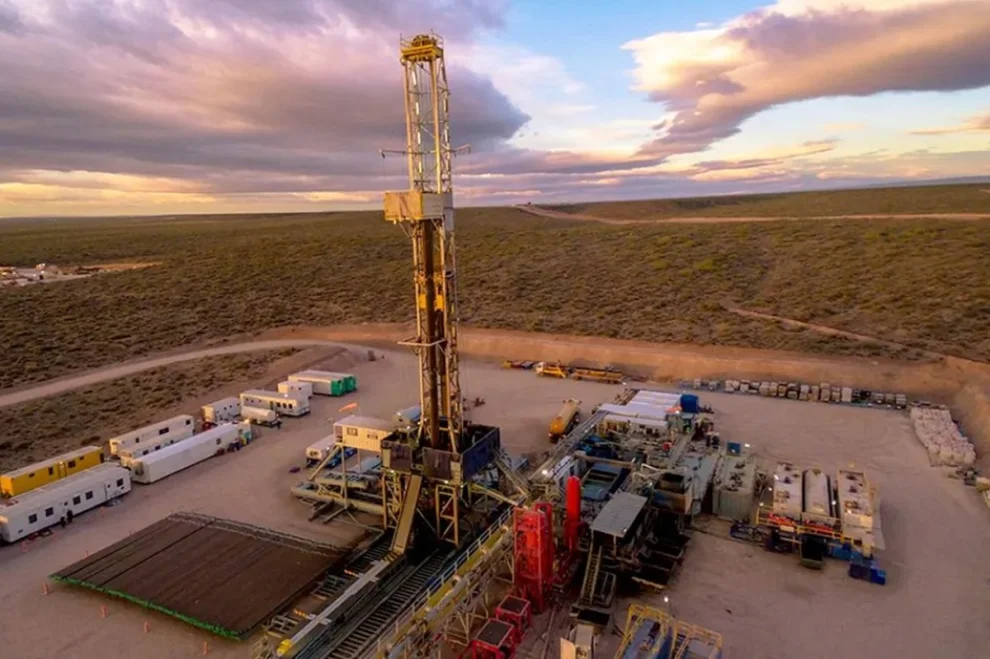
May's figures consolidate a structural trend that no longer admits nuance: the geography of Argentine hydrocarbon production is irreversibly centered on the Neuquén Basin.

In crude, the gap between Neuquén and the rest of the country widened nine percentage points in a single year; in gas, more than four. With more than seven of every ten barrels and three of every four cubic meters of gas coming from the region, any serious analysis of Argentine upstream now runs through Vaca Muerta.