
Oil & Gas
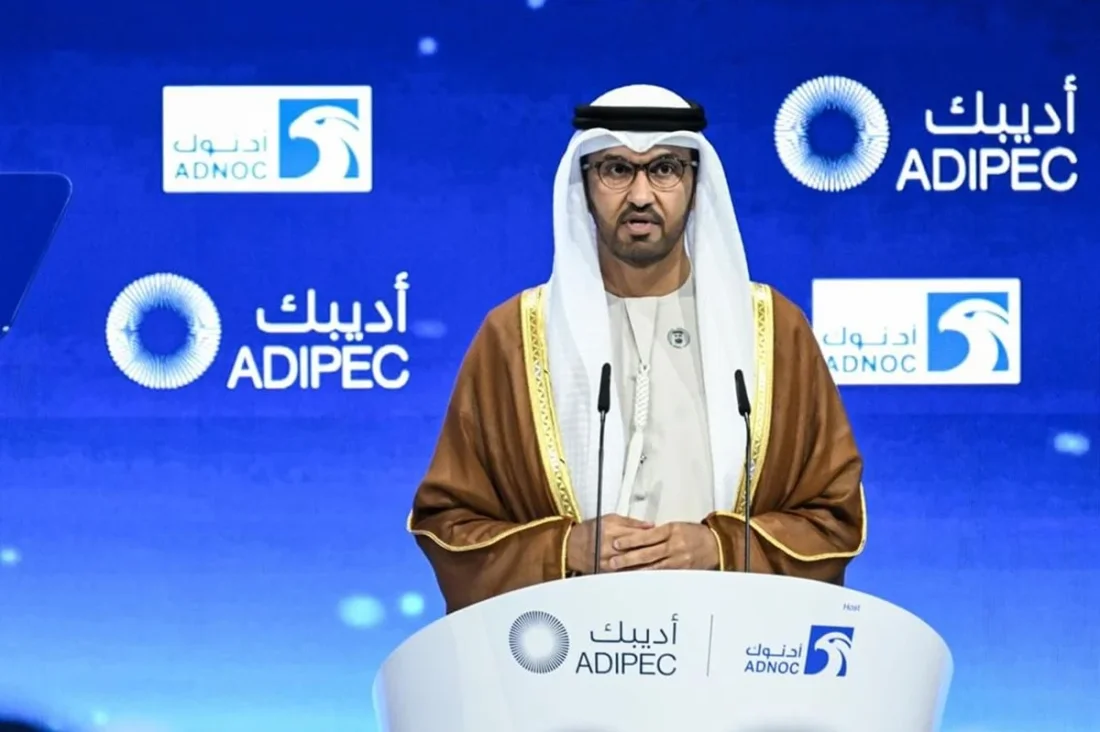
JD Vance left Islamabad without a deal on Sunday. Trilateral negotiations between Washington, Tehran, and Pakistani mediators ran for 21 hours before collapsing without agreement on the two central issues: Iran's nuclear program and control of the Strait of Hormuz — the chokepoint through which roughly 20% of global oil and LNG trade normally flows.
"We didn't reach an agreement," Vance told reporters. The U.S. vice president said Washington had put its "final and best offer" on the table. Iran accused the United States of "excessive demands." The future of the two-week ceasefire agreed on April 8 was left in doubt.
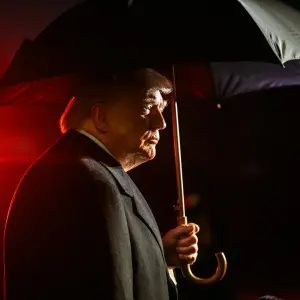
That was the context in which Sultan Al Jaber, CEO of ADNOC, Abu Dhabi's state oil company, and UAE Minister of Industry, published his sharpest statement since the start of the conflict on X. "The Strait of Hormuz has never been Iran's to close or restrict the navigation through," he wrote.
Any attempt to do so, he added, "is not merely a regional issue, but represents a disruption to a global economic lifeline and a direct threat to the energy, food, and health security of all countries in the world." Setting that precedent, he concluded, is “illegal, dangerous and unacceptable. The world simply cannot afford it and must not allow it.”
Al Jaber's Escalating Position
The progression is deliberate. On April 1, Al Jaber accused Iran of "global economic extortion." On April 9, he stated that the Strait was "not open" — with Iran conditioning passage on prior permits and charging fees exceeding $1 million per vessel, adding: "That is not freedom of navigation. That is coercion."
This Sunday he moved a step further: no longer describing the operational problem, but denying the underlying claimed right. The Strait is not Iranian sovereign territory.
Al Jaber speaks from a concrete operational position. The UAE was producing 3.4 million bpd before the conflict; during the crisis, ADNOC's output fell by more than half. On top of that production hit came direct infrastructure damage: the Habshan gas processing complex in Abu Dhabi stopped twice in 15 days, most recently on April 4.
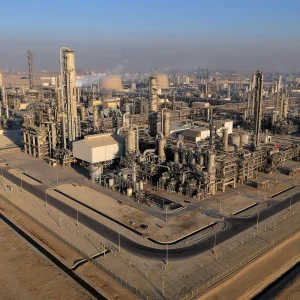
On April 9, Al Jaber said ADNOC had "loaded cargoes" and would expand production "within the constraints of the damage we have suffered."
The Pipeline That Bypasses the Strait
Saudi Arabia responded on the operational front on Sunday. The Ministry of Energy confirmed that the East-West pipeline — known as Petroline — had been restored to its full capacity of 7 million bpd. The 1,200-kilometer pipeline, with 11 pumping stations, connects fields in the kingdom's Eastern Province to the port of Yanbu on the Red Sea — the only Saudi export route that does not depend on the Strait of Hormuz, and one that can access Atlantic shipping lanes bypassing both the Strait and the Suez Canal.
Iran had attacked the pipeline shortly after the April 8 ceasefire, cutting flow by 700,000 bpd. The offshore Manifa field, which had lost another 300,000 bpd, was also recovered.
The Khurais field — where attacks knocked out a further 300,000 bpd — remains under repair with no confirmed timeline. Since February 28, Saudi Arabia has quadrupled exports from its Red Sea terminals to compensate for the Persian Gulf blockade.
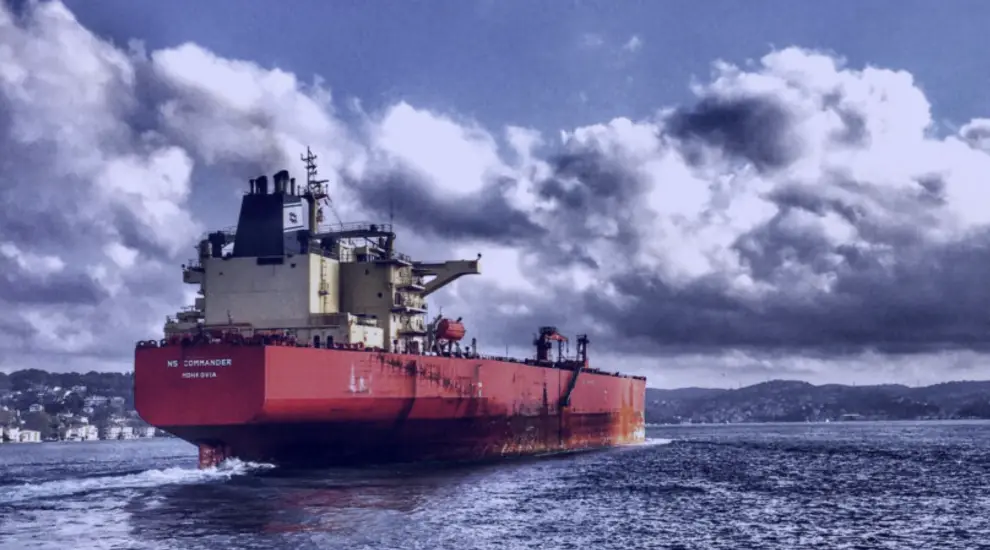
With approximately 230 tankers loaded with crude stranded in the Gulf, and the Strait handling roughly 20% of global crude and LNG trade under normal conditions, the disruption has been severe. According to data from Kpler, the energy data and analytics firm, only five vessels transited the Strait on the ceasefire day. Brent crude was trading around $96 per barrel as of Friday.
The hit is sharpest in Asia: 80% of cargoes normally transiting the Strait were destined for Asian markets. Qatar is not immune: the Ras Laffan LNG complex — the world's largest LNG production hub, which supplies roughly a third of global LNG trade — is not expected to recover full capacity before the end of August following the destruction of two of its production trains. Rystad, the energy research firm, put total damage to Gulf energy infrastructure at $25 billion.