
Shift in plans

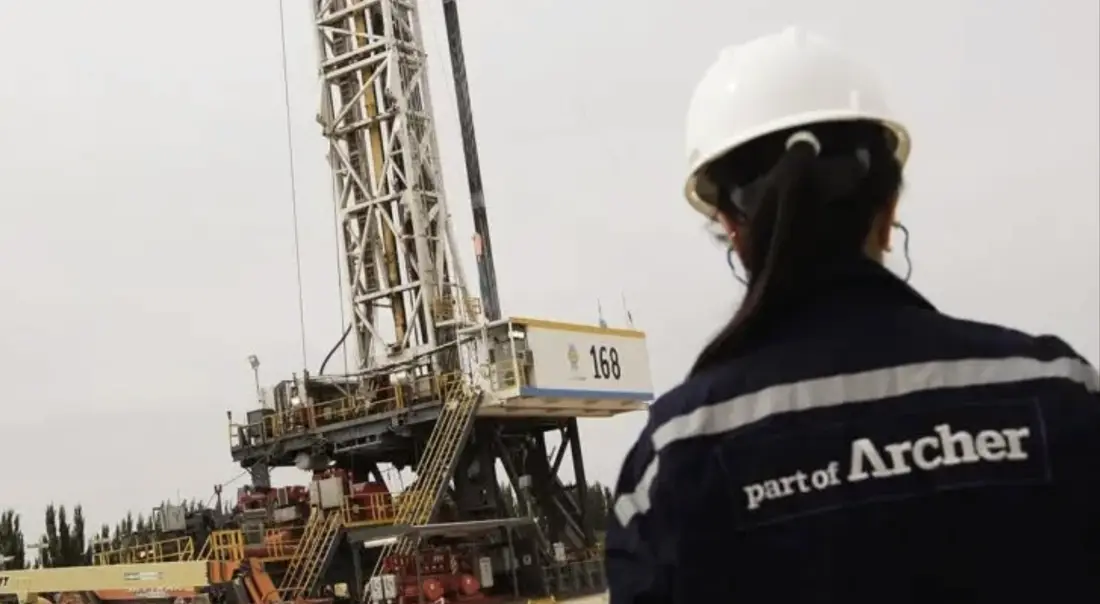
Nova Energy Argentina is strengthening its position in the oilfield services market with the acquisition of DLS Argentina.
The strategic deal adds a significant portfolio of 24 rigs, including drilling, workover, pulling and specialized service units. With this move, the company positions itself as one of the leading well services operators with the broadest coverage outside the Neuquén Basin.
The rationale behind the acquisition reflects a clear opportunity: while Vaca Muerta concentrates most of the installed capacity of major service providers, the San Jorge Gulf Basin and other Patagonian basins face a structurally undersupplied market. The gap is significant, as Chubut and Santa Cruz account for roughly 40% of the country’s hydrocarbon output but operate with equipment that has not kept pace with demand.
“We saw a clear opportunity in a market where demand is growing and supply is almost entirely concentrated in Neuquén,” said Diego Trabucco, CEO of Nova and president of Aconcagua Energía, in an interview with Shale24. “We want to be a strategic partner for operators in all basins. Argentina needs more collaborative models and combined capabilities to sustain its energy development.”
Mature Basins, New Approach
Nova Energy does not view the San Jorge Gulf Basin as a secondary market. Its focus is on operating with efficiency, applied technology and controlled costs to achieve profitability. The company is prioritizing workover and pulling interventions, which help slow the natural decline of wells, with additional potential in secondary and tertiary recovery techniques.
Currently, the company provides services to major operators including Pan American Energy, Compañía General de Combustibles (CGC) and Capsa, among others. Its short-term plan is to increase the number of active rigs and improve productivity metrics per unit, a key competitive advantage in a market where uptime and logistics are decisive factors in well costs.
While entry into unconventional plays has not been ruled out, it has been postponed. “As activity requires,” Trabucco said, emphasizing that the current priority is consolidating operations in conventional fields before expanding to Vaca Muerta or Palermo Aike, two major unconventional development areas in Argentina.
The long-term goal is to establish itself as an integrated services provider with a presence across all producing basins, moving beyond the role of a regional operator.
Aconcagua Energía: Restructuring After 2025 Turbulence
The launch of Nova Energy also carries a corporate implication: it represents the services division within the broader strategic reorganization that Aconcagua Energía implemented following a period of financial challenges in 2025. The process included equity dilution and a restructuring of the group.
“It was a complex moment, but also a learning experience. We decided to reorganize the group to make it stronger and more flexible,” Trabucco said.
The group now operates as an energy platform organized into five main areas:
- Upstream
- Midstream
- Power generation
- Gas and energy trading
- Integrated services (through Nova Energy Argentina)
In the power generation segment, Aconcagua retains full ownership of its subsidiary, with stakes in the Alto Valle, Manuel Belgrano, San Martín and Vuelta de Obligado power plants.
The new structure aims to balance risk exposure, diversify revenue streams and leverage synergies across business units, a model increasingly adopted by independent energy companies in the region following cycles of commodity price and currency volatility.
“Argentina has a historic opportunity in energy, and we want to be a relevant player in that new stage,” Trabucco concluded.