
How the site evolved over the years
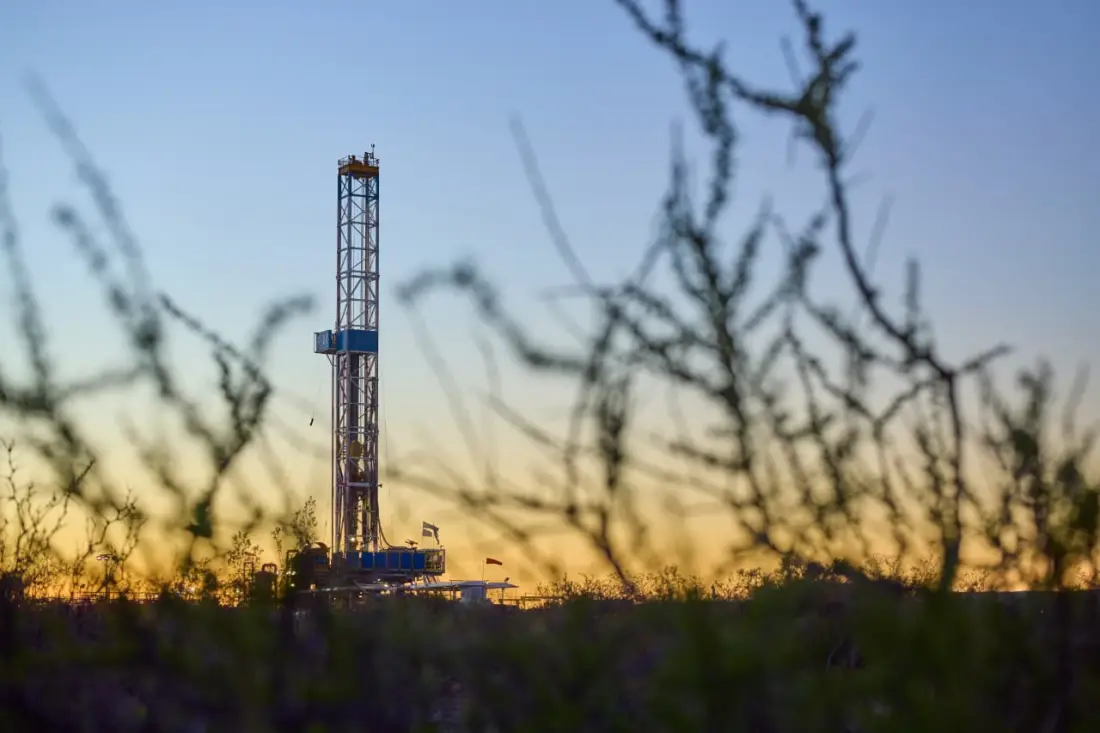
Vaca Muerta is not just an oil field, but a vast shale geological formation located in the Neuquén Basin, in northwestern Argentina, covering more than 30,000 square kilometers , primarily in the province of Neuquén, with extensions into Río Negro and Mendoza. Discovered in the 2010s by YPF, this rock formation of shale rich in unconventional hydrocarbons represents one of the world's most promising reserves , with EIA estimates exceeding 16.2 billion barrels of recoverable oil and 308 trillion cubic feet of natural gas.
Its name, which evokes an old cow cemetery in Patagonia, contrasts with its transformative potential, positioning it as the world's second largest shale gas reserve and the fourth largest shale oil reserve .
The importance of Vaca Muerta lies in its potential to reverse Argentina's energy decline, which for decades has relied on ever-increasing fuel imports. With only 7% of its reserves explored to date, the shale formation has fueled a production boom that, by 2025, will account for nearly 60% of the country's crude oil production, reaching peaks of 566,000 barrels per day in September. This development not only eases the trade balance—reducing imports by more than $5 billion annually—but also generates direct employment for some 30,000 people and spillover effects in industries such as steel and transportation, fostering an industrial ecosystem in Patagonia.
However, the true value of Vaca Muerta transcends the numbers: it is a catalyst for energy sovereignty for Argentina in a global context of transition to renewables, where unconventional hydrocarbons offer a window of opportunity for emerging countries. Unlike conventional formations, its exploitation through hydraulic fracturing requires massive investments in technology and infrastructure, attracting giants like Chevron, ExxonMobil, and TotalEnergies , which have committed more than $20 billion in recent years.
This influx of foreign capital not only accelerates drilling—with more than 1,000 horizontal wells annually—but also transfers technical know-how, increasing productivity per well by 65% compared to initial stages. In macroeconomic terms, Vaca Muerta stands as a strategic export engine, with projections pointing to a pipeline like Vaca Muerta Sur to transport up to 1 million barrels per day to Atlantic ports, potentially generating $15 billion in annual revenue by 2030. Its role in diversifying Argentina's energy matrix is key, since the formation's shale gas covers 74% of domestic gas demand, mitigating winter shortages and enabling LNG exports.
Argentina as an international energy player
The maturation of Vaca Muerta is also redefining Argentina's geopolitical relationships, positioning it as a key supplier in a volatile global market, with crude oil prices stabilized between $60 and $80 per barrel. In a country historically dependent on agricultural commodities, the field introduces a high-impact variable to GDP—contributing an additional 2-3% annually—while also stimulating innovation in local oil services.
Companies like YPF lead with 48% of operations, while Vista Energy, Pan American Energy (PAE), Pampa Energía or Pluspetrol, among many others, make up the first group of local players.
In the case of YPF, this company is vertically integrated from exploration to refining, which maximizes profitability in environments of currency volatility.
Finally, Vaca Muerta symbolizes Argentina's resilience in the face of adverse economic cycles, with a portfolio of blocks that ensures decades of viable reserves below $50 per barrel. Its accelerated expansion, with 28,000 fracturing stages projected by 2026, not only promises energy self-sufficiency but also a rebalancing of the balance of payments that could stabilize the macroeconomy.