
Industry Snapshot

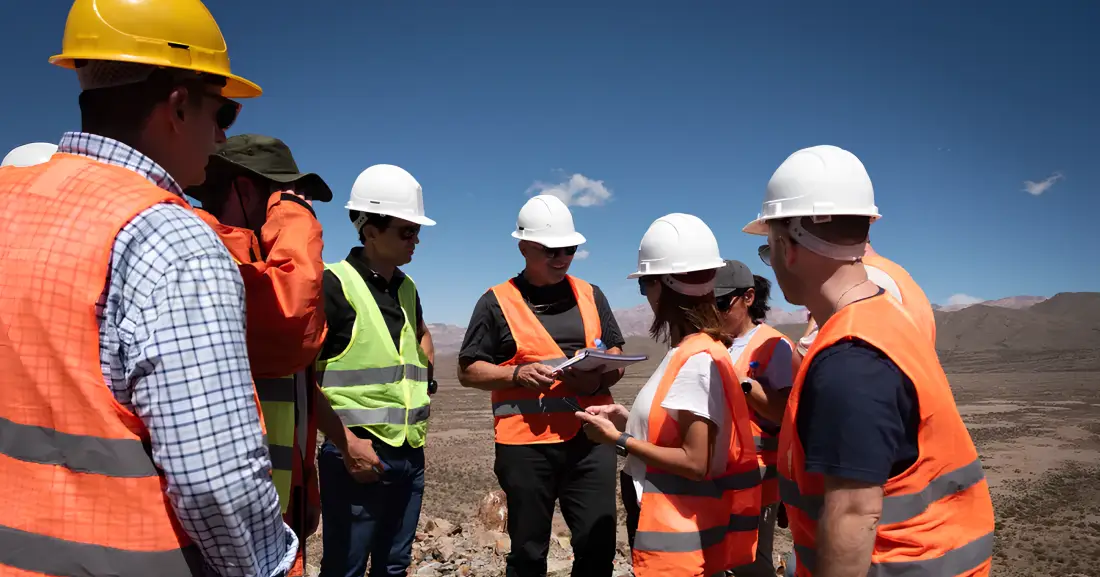
A $33 billion mining investment pipeline is set to drive Argentina's largest labor expansion in decades, but the sector lacks the specialized talent to staff it on schedule.
Industry projections call for 12,000 new direct jobs in 2026, scaling to 36,000 by 2027 and a horizon of between 200,000 and 250,000 direct and indirect positions by 2032. Lithium leads the near-term build-out, but copper is shaping up as the principal employment driver of the next decade. The Vicuña project in San Juan province, a joint venture between BHP and Lundin Mining covering the Josemaría and Filo del Sol deposits, alone projects a peak of 15,000 workers during construction between 2026 and 2030.
Whether the sector can fill those roles on schedule will depend on factors the investment cycle cannot resolve on its own: the pace of technical training, the geographic distance between projects and education centers, and the long lead times of specialized mining degrees. The talent pipeline, in other words, lags the capital pipeline.
Erica Ibarra, key account manager for Mining at Adecco Argentina, the local subsidiary of the Swiss staffing group, described the dynamic in conservative terms: "What is expected is sustained growth, but companies are advancing with caution when it comes to setting expectations, prioritizing hiring in zones close to the projects."
According to Adecco, the projected 2026 growth comes with tensions already visible in selection processes and a formation gap no single investment cycle can close.
What Adecco Sees from the Inside
Adecco's own data put national sector employment growth at between 4% and 10% this year, a figure that looks moderate next to long-term projections but is already producing fierce competition for scarce profiles.
The most sought-after roles in the first quarter of 2026 were:

- Mining engineers
- Geologists
- Heavy machinery operators
- Electromechanical technicians
- Health and safety specialists
- Automation and data analytics specialists
Sector turnover averages 7%, with engineers the highest-rotation profile per 21% of companies surveyed, adding pressure on an already thin talent pipeline.
The Problem Is Formation, Not Just Headcount
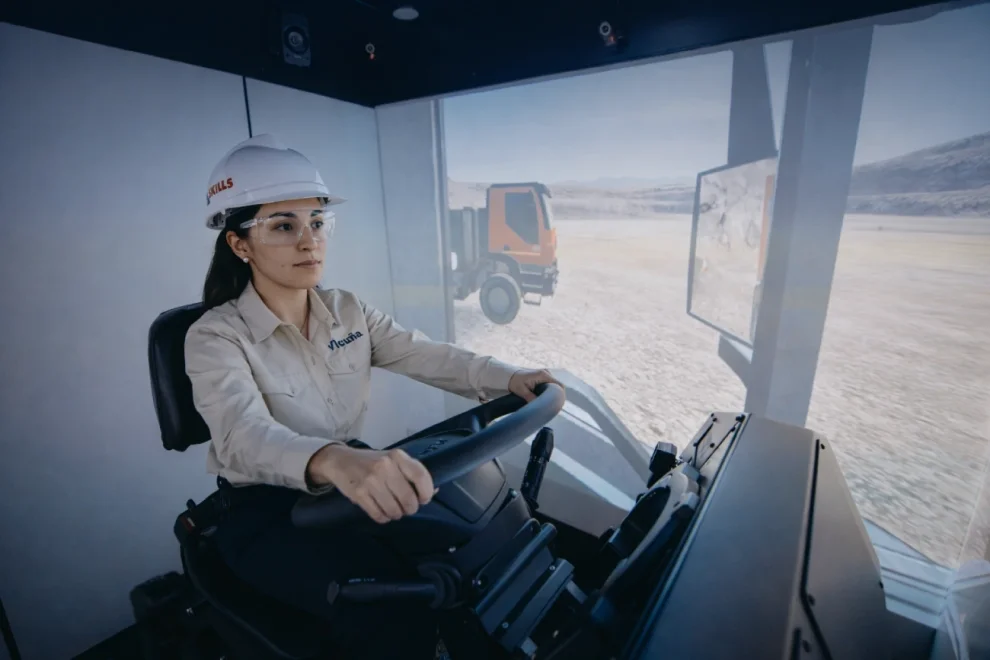
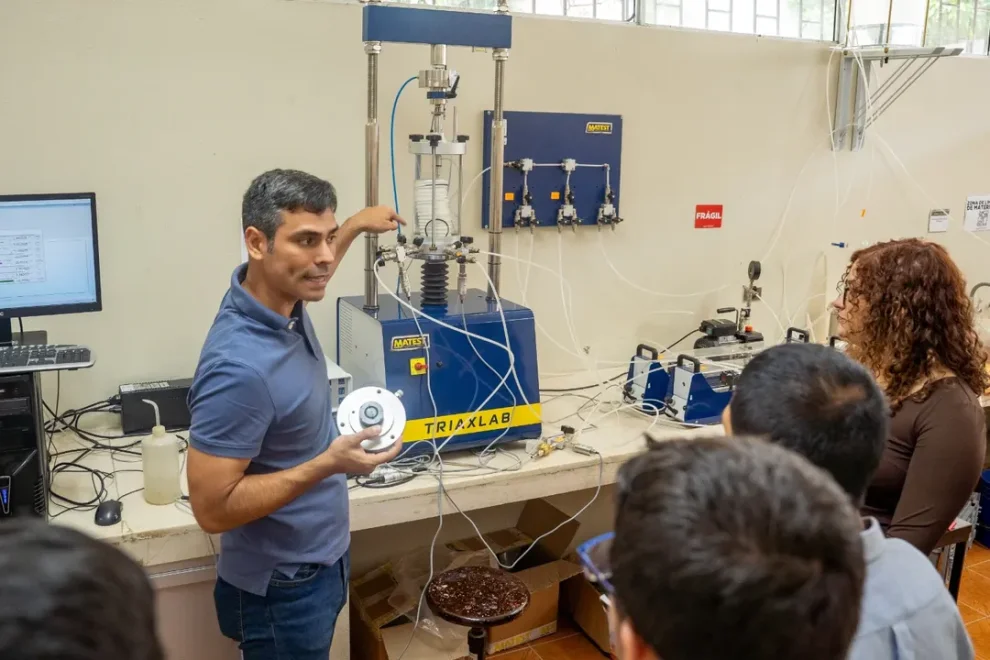
The gap is not only one of pace. Universities and technical training centers are responding. In San Juan, the Universidad Nacional has launched specialized technical programs in Mining Operations and Mineral Processing. But the project investment clock runs faster than the graduation clock.
The industry is also looking beyond credentials. Employers value previous mining experience, the ability to work in remote zones under 14-days-on, 14-days-off rotations, and increasingly, fluency with digital tools and data analytics.
Geography compounds the challenge. The provinces where mining is advancing fastest — Jujuy, Salta, Catamarca, San Juan and Santa Cruz, the high-altitude Andean belt that includes the Argentine portion of the Lithium Triangle, the world's largest concentration of lithium brine resources — are the same provinces farthest from established centers of technical training.
Catamarca, for instance, saw mining's share of provincial employment climb from 7.5% to 8.1% in 2025, a meaningful jump that pressures local talent supply and produces labor migration with its own challenges around housing and worker retention.
A Cultural Shift Arrives with the Boom
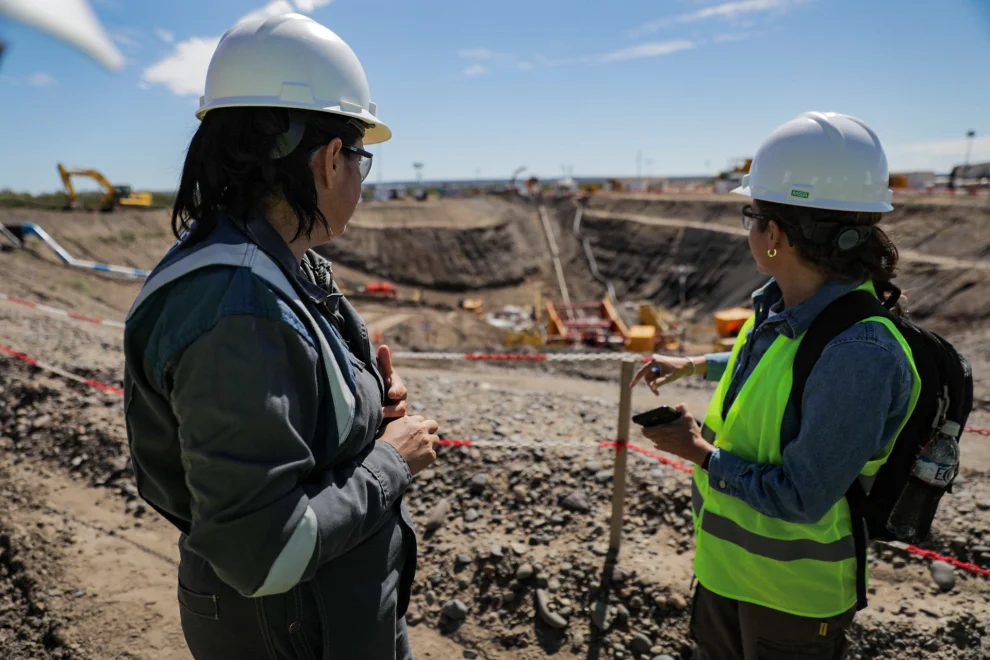
One of the more striking shifts is the incorporation of women into technical and operating roles historically dominated by men. The lithium subsector already records 22.3% female participation, the highest in Argentine mining, and the trend is expanding into copper and metals mining. The more advanced operators are introducing specific inclusion protocols and adapting employer value propositions to attract and retain female talent in remote zones.
It is not a symbolic move. In a market with structural shortages of skilled labor, expanding the pool of eligible candidates is a strategic decision.
Talent as a Critical Mineral
Argentina has the natural resources, the investment, and the regulatory framework. What it does not yet have, at the cadence the cycle demands, are the professionals and technicians needed to sustain the largest mining expansion in the country's history.
Adecco's reading is that talent planning is no longer a complement to investment planning. It is a precondition.