Oil and Gas

Financial engineering in Vaca Muerta

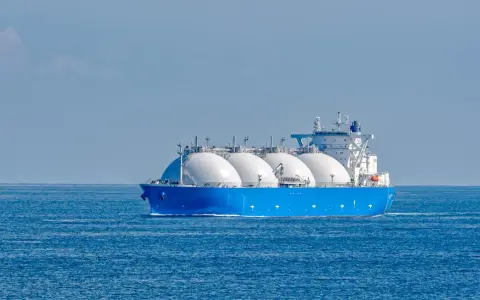
How YPF’s swap with Pluspetrol clears the path for the LNG project

Both companies signed an asset swap agreement. YPF acquires Pluspetrol’s stake in the Meseta Buena Esperanza, Aguada Villanueva and Las Tacanas blocks, three areas considered strategic for the development of the Argentina LNG project. Pluspetrol, in turn, acquires an interest in the La Escalonada and Rincón de Ceniza blocks.

Lucía Martínez

The expansion of supply logistics is one of the most notable aspects of the DAPSA-Chevron agreement.
More synergy in the value chain

DAPSA-Chevron deal: impact on the local market

The agreement marks the formal start of a strategic relationship between the two companies, aimed at boosting DAPSA’s growth through the marketing of Chevron commodities in the region. The parties will also evaluate additional areas of business integration, including the expansion of DAPSA’s supply logistics.

Matías Astore

Company reports and comments by CEO Linda Cook confirm the successful results.
More fracking in Neuquén

Shale oil at San Roque: Harbour Energy confirms four successful wells in Vaca Muerta, awaits Neuquén approval for unconventional development

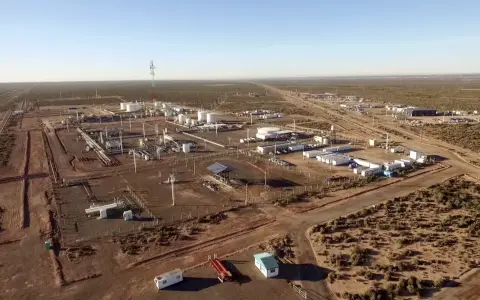
The four-well pilot in the shale oil window—carried out in partnership with TotalEnergies as operator—confirmed commercially viable production. It involved horizontal wells with hydraulic fracturing in the oil window, a liquids-rich shale zone distinct from the dry gas window that dominates other areas of the formation.

Julián Guarino

Equity analysts see Pan American Energy well positioned to capture growth in Vaca Muerta in a more demanding financial environment.
Investments

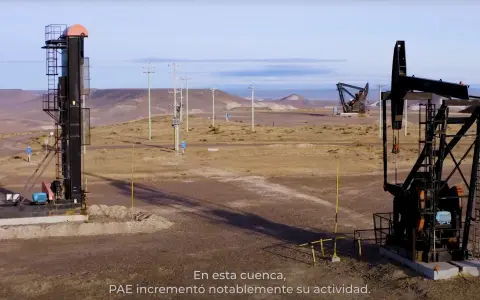
PAE kicks off 2026 with $375 million bond at 7.75% to fund Vaca Muerta and LNG

With a focus on shale development and the LNG project, the proceeds will be used to support the company’s aggressive investment plan in Argentina and to refinance existing liabilities. The bond, with an implied 11-year maturity and principal repayments in three annual installments starting in year nine, saw solid demand that allowed it to be priced in the middle of the initial book range of $300 million to $500 million.