
The rise of artificial intelligence
ABB, the Swiss electrification and automation company, has staked its strategic positioning on a single conviction: electricity is about to redefine the global energy system.
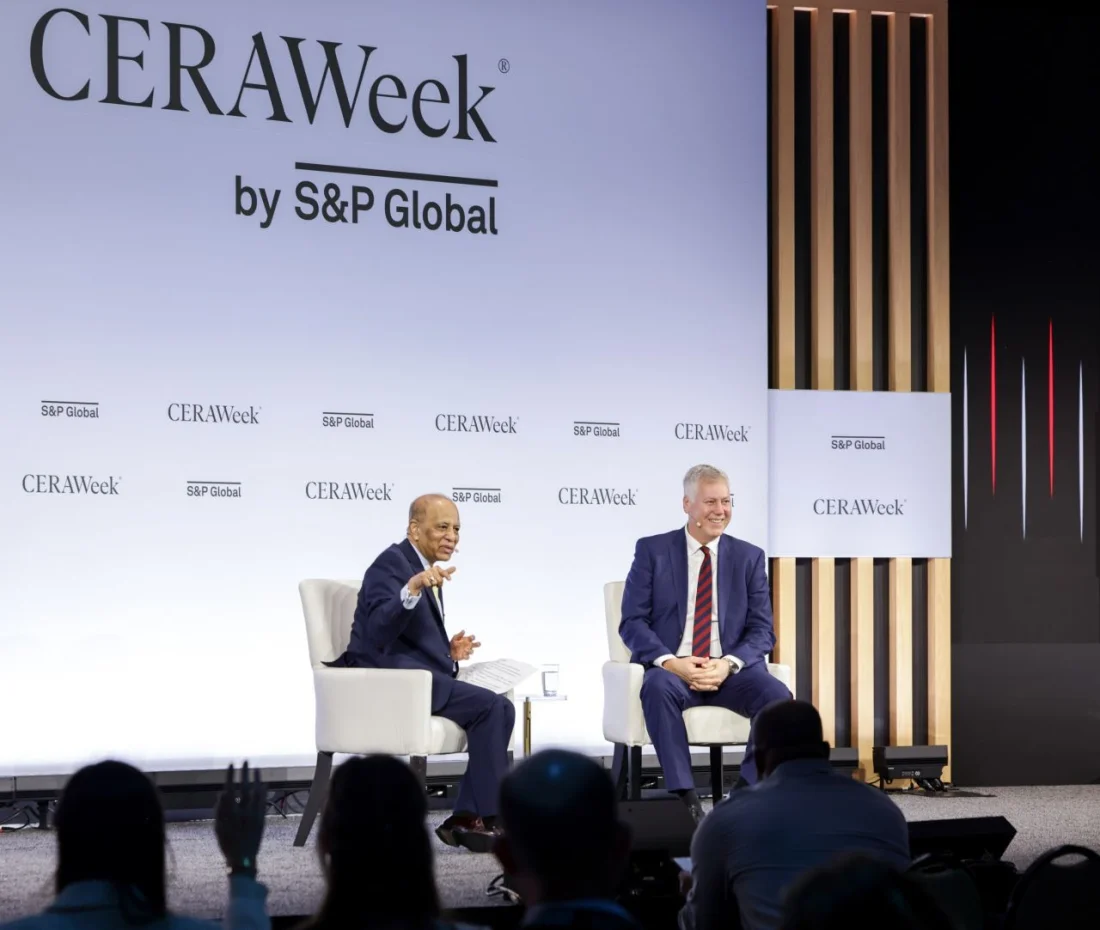
At CERAWeek, the annual global energy conference organized by S&P Global in Houston from March 23–27, CEO Morten Wierod cited the IEA's Electricity 2026 report — from the Paris-based intergovernmental body that serves as the primary global authority on energy statistics and forecasting — showing electricity demand on track to grow at least 2.5 times faster than total energy demand by 2030. Wierod opened by putting a question directly to the assembled audience: whether the energy sector was prepared for what was coming.
Three Forces Behind the Shift
Wierod organized his diagnosis around three structural drivers of accelerating electricity demand.
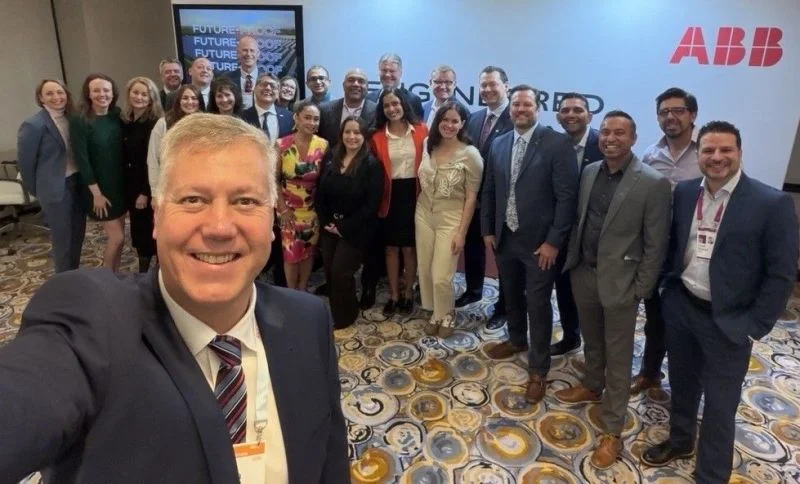
The first is energy expansion. Industrialization, the rise of artificial intelligence (AI) and data centers, and improving living standards across emerging economies are generating power demand at a scale that existing grid infrastructure was not built to absorb. Wierod called on the industry to expand both energy production and grid infrastructure to integrate diverse sources and deliver electricity where required. Looking further out, Wierod projected that global electricity consumption could double by 2050 — a trajectory that, in his view, makes infrastructure decisions taken in the current decade structurally consequential.
The second is energy resilience. Grids must become more robust and intelligent to manage the intermittency of renewable sources, bidirectional power flows, extreme weather events, and cybersecurity threats. A grid designed for the twentieth century cannot meet twenty-first-century operating conditions.
The third driver is what Wierod described as the most structurally consequential: the electrification of everything. Industries worldwide are electrifying because electricity is more efficient and easier to control than other energy forms. Wierod argued that companies that electrify and automate their operations will gain in efficiency, productivity, and resilience, with competitive advantage accruing to those that move first.
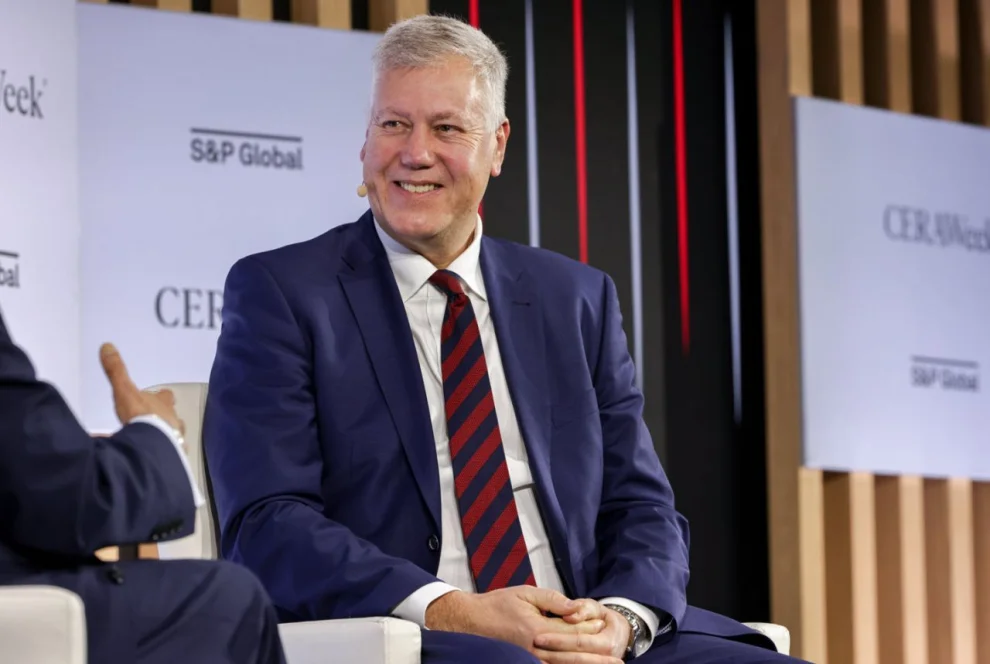
ABB at the Center of the Transition
Wierod's remarks in Houston reflect strategy as much as diagnosis. ABB operates in more than 100 countries and has recorded sustained earnings growth through a record 2025, with data centers and industrial electrification as its primary demand drivers, according to the company's most recent earnings disclosures. The CERAWeek appearance places that trajectory within a global energy transition in which electrification and automation have shifted from long-term themes to near-term capital allocation decisions.
The conversation was moderated by Atul Arya, S&P Global's senior vice president and chief energy strategist, and unfolded against the tensions that defined CERAWeek's broader agenda: how to expand electricity supply, modernize aging grid infrastructure, and decarbonize industry at a pace that matches sustained demand growth. Wierod's answer was consistent across all three: the infrastructure gap is easier to close before it opens than after.