
Power
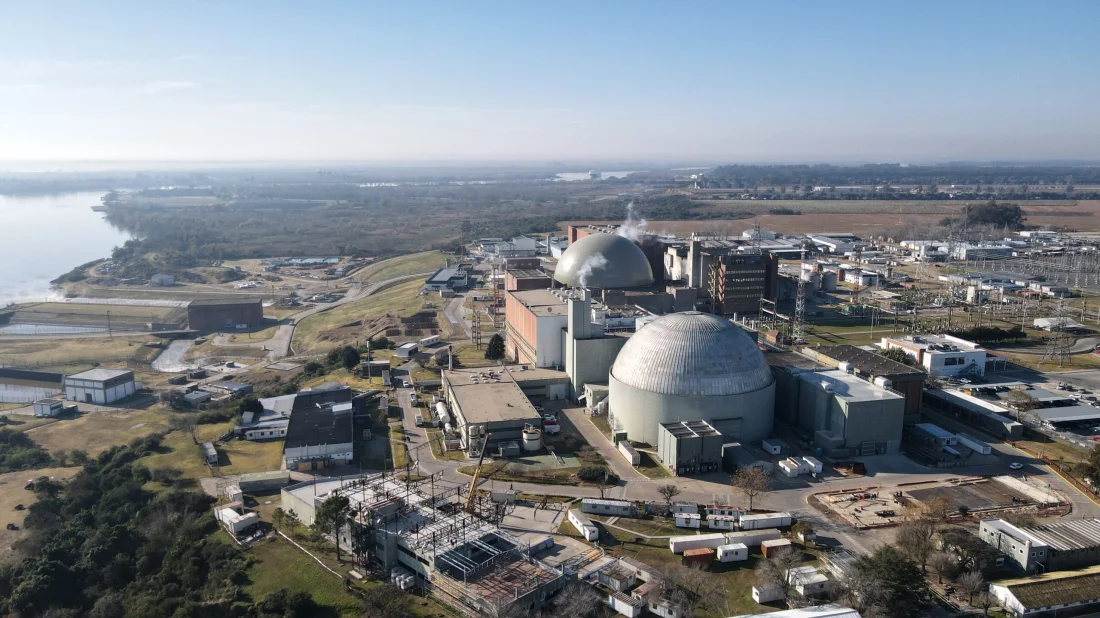
Atucha II is Argentina's only nuclear plant on the grid until late November, after Embalse went offline on October 2 for scheduled maintenance.
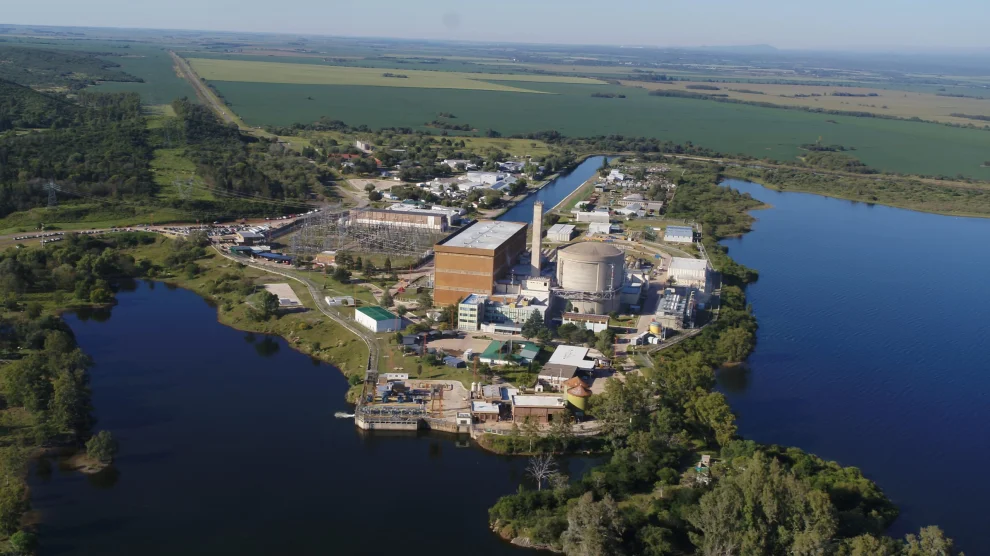
Embalse, a 656-MW CANDU 6 heavy-water reactor in Cordoba province, stopped delivering power after the evening demand peak that Friday. There was no failure or emergency. The shutdown is the scheduled inspection and maintenance outage planned by Nucleoeléctrica Argentina (NA-SA), the state-owned company that operates the country's three nuclear plants, and the unit's return to the system is slated for late November.
Of the three plants, only Atucha II is still generating. Atucha I has been offline for two years for its life-extension project, and Embalse now joins it. In gross capacity terms, 1,018 MW of 1,763 MW installed are out of service, or 58% of the total. Atucha II's 745 MW will carry all of Argentina's nuclear generation on their own for about eight weeks.
Embalse's weight is better measured in energy than in capacity. In 2025, the Cordoba plant generated 5,352,202 MWh and Atucha II 5,408,372 MWh. Because Atucha I was offline all year, the two accounted for all of Argentina's nuclear generation, and Embalse supplied 49.7%.
That pace equals an average of 14,663 MWh a day. Projected over eight weeks, the outage removes about 820,000 MWh from the system that other sources will have to cover, according to a Shale24 estimate based on 2025 generation.
The timing is deliberate. October and November are mild months in the Southern Hemisphere, with lower stress on the power system, and the plant returns before summer heat drives demand higher.
A 24-Month Cycle Instead of 18
The company highlighted a different milestone: this outage comes 24 months after the previous one, instead of the usual 18. The interval is a third longer, which Nucleoeléctrica attributes to a continuous improvement process based on the experience of plants using similar technology.

"It allows us to generate energy for longer," Nucleoeléctrica President Juan Martín Campos said. According to the company, a longer cycle also reduces how often equipment must be worked on, personnel radiation exposure and waste generation.
The cycle had one brief interruption. Argentina's Nuclear Regulatory Authority (ARN) reported that the plant was taken offline in a planned shutdown in the early hours of June 4 to repair a valve in one of the reactor's shutdown systems, and that it returned on June 7.
The current program is organized into 25 work packages. Major tasks include inspections of the steam generators, maintenance of the primary system pumps and overhaul of the turbine, generator and condenser.

Atucha II Carries the Load Until Late November
The plant left on the grid is in good shape. Atucha II returned to SADI, Argentina's national interconnected power grid, this year after its own scheduled outage, and the ARN renewed its operating license for ten years, through May 2036. In the latest review by the World Association of Nuclear Operators (WANO), Atucha II reached the maximum score for the first time, according to Nucleoeléctrica, while Embalse scored 98.16 out of 100.
The third unit remains some way off. Atucha I has logged more than 17,000 tasks in its life-extension program and plans to reload fuel in early 2027. All of this is unfolding as the government advances the opening of Nucleoeléctrica to private capital, a process that calls for the sale of 44% of the company.