#Argentina LNG

Ras Laffan
Urgent analysis

The refinery war has begun: Brent tops $111 and LNG surges by as much as 60%

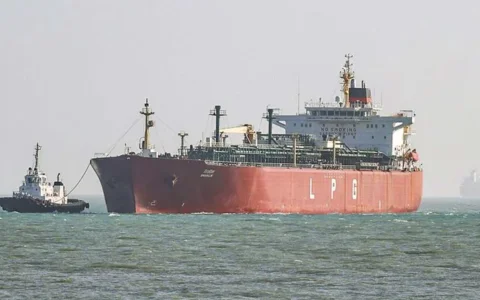
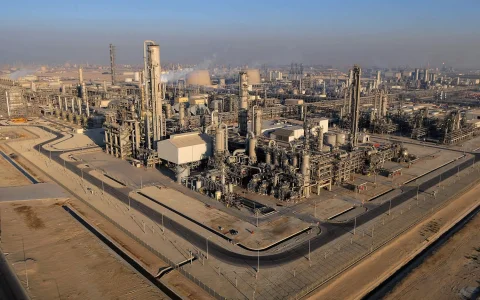
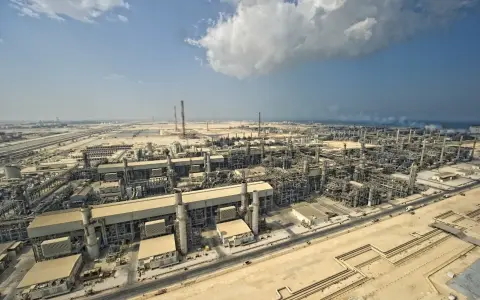
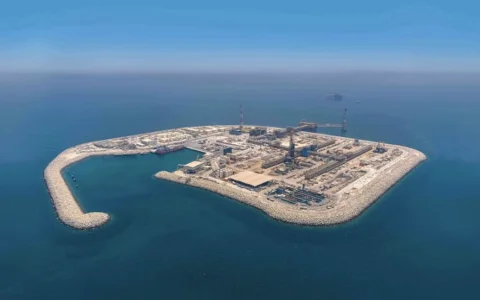
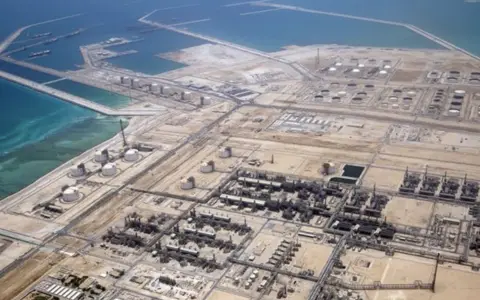
In less than 24 hours, Iran struck Ras Laffan twice — the world’s largest liquefied natural gas export complex before the conflict — and hit refineries in Kuwait and Saudi Arabia. The benchmark crude price is trading at levels not seen since 2022. For Argentina, the equation has two sides, and neither is neutral.

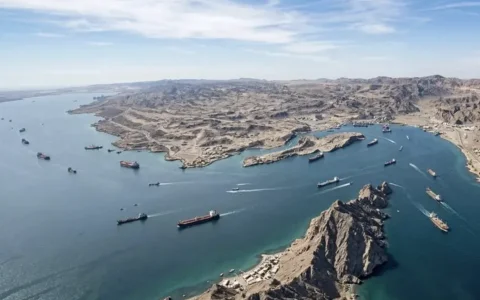
Strait of Hormuz, epicenter of global volatility.
LIVE: Strait of Hormuz closure

War in the Middle East: 10 questions on what’s happening to oil, LNG, gasoline and fertilizers in Argentina

Since the United States and Israel struck Iran on Feb. 28, the Strait of Hormuz has entered an active crisis. Brent crude has risen above $100 a barrel for the first time in four years, the global liquefied natural gas (LNG) market has been shaken, and fertilizer prices have already increased by as much as 35%. Argentina is playing on both sides of the field.

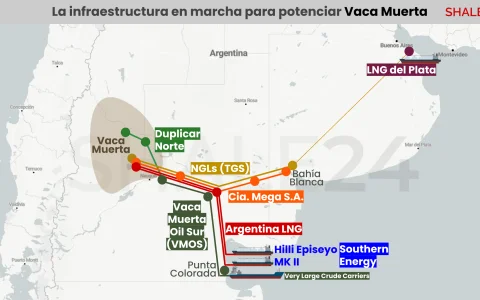
Horacio Marín, Marcelo Mindlin and Marcos Bulgheroni during the discussion on the Argentina LNG project.
Key negotiations

Argentina LNG: YPF advances banking round with Deutsche Bank, Citibank, two Japanese lenders and meetings with Banco Santander during Argentina Week

Horacio Marín worked the margins of the event in New York with bilateral meetings aimed at structuring what several banks already position as the largest project finance deal in Latin America. JPMorgan Chase is acting as adviser and has already begun outreach to more than 200 financial institutions worldwide. The final investment decision (FID) is targeted for the second half of 2026.

The industry can turn associated gas into a new energy business.
Nicolás Arceo for Shale24

Vaca Muerta’s associated gas doubled in 2025 and hit a new record in January 2026: Can this byproduct of the oil boom be monetized?

Associated gas — the gas that inevitably emerges as a byproduct of oil production in the black oil and liquids-rich window of the Neuquén formation — is rich in high-value components. In January, output climbed to 26.7 million cubic meters per day, setting a historic record. The industry is closely monitoring the trend, as it could open the door to a new business opportunity.