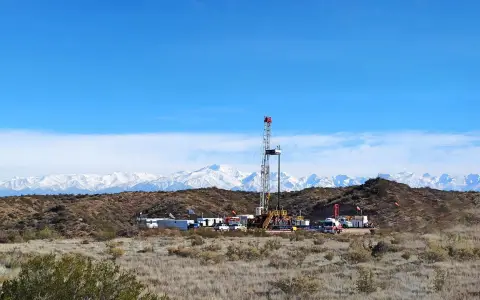
The Mendoza tongue: Province delimits 600-square-kilometer triangle to fast-track its own Vaca Muerta
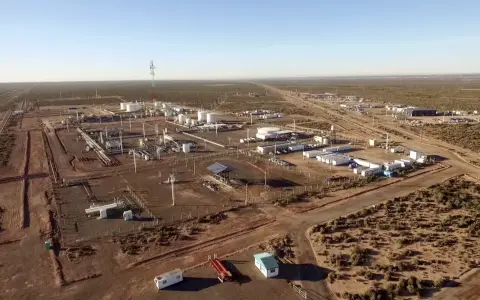
The province has identified areas of significant thickness and thermal maturity within the “Mendoza tongue” of the formation.
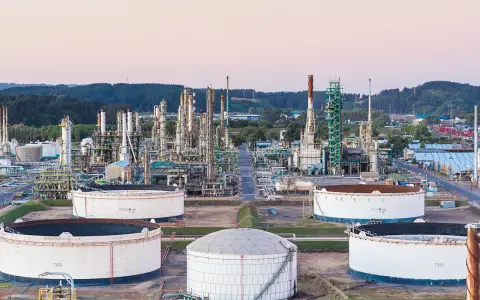

The Chilean state company doubled its profits while advancing a diversification plan, though it is considering the possibility of exporting unconventional oil from Neuquén via the Pacific Ocean through the port of San Vicente.
The net contribution of these assets to Vista is significant, adding approximately 21,869 boe/d (based on Q3 2025 production at post-deal stakes) and 54 million boe of additional proven reserves.
The Anglo-Dutch oil company is weighing a sale of its assets in the Neuquén shale formation, valued in the billions of dollars, amid a global reshuffling of its energy portfolio.
YPF and Pluspetrol sealed a cashless asset swap that will allow the state-controlled oil company to consolidate full control of three key areas in Vaca Muerta, while the private firm repositions itself in high-potential blocks through Vaca Muerta Inversiones.
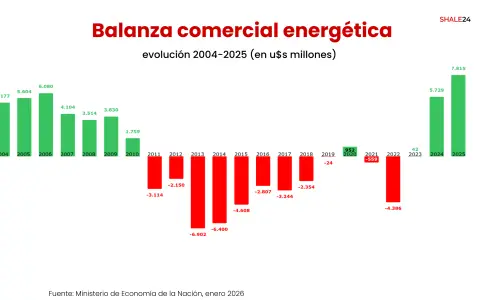
In 2025, Argentina recorded the largest energy trade surplus in its history. In the coming years, that record could be surpassed as projects approved and under review through the Incentive Regime for Large Investments (RIGI) move forward. Some analysts forecast an energy trade balance generating a combined $48 billion by 2030 and $67 billion by 2035.
Argentina’s economy is entering a strategic moment, driven by the rise of its energy and mining sectors, within a global context where major powers are seeking critical resources from allies to strengthen “friendly” supply chains.
After successfully integrating the Loma Jarillosa Este block, which it operates 100%, and Puesto Silva Oeste, the company is preparing an aggressive drilling program and reinforcing its strategy for sustained growth.
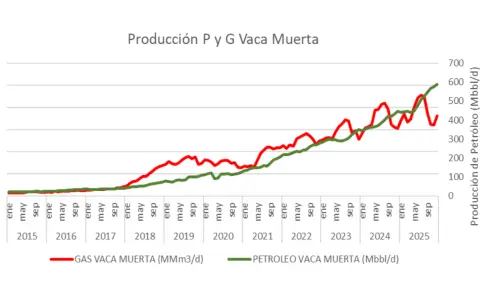
With unconventional oil growing at an annual rate of 31% and gas keeping pace in the flagship basin, Argentina is sending a clear signal to international markets: the country has a world-class shale play.
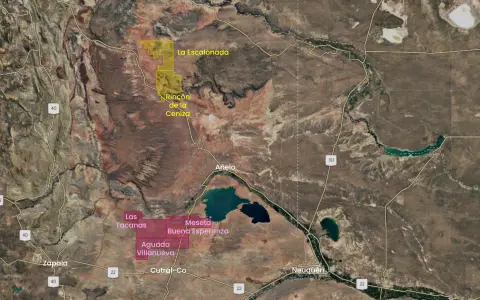
Both companies signed an asset swap agreement. YPF acquires Pluspetrol’s stake in the Meseta Buena Esperanza, Aguada Villanueva and Las Tacanas blocks, three areas considered strategic for the development of the Argentina LNG project. Pluspetrol, in turn, acquires an interest in the La Escalonada and Rincón de Ceniza blocks.
In 2025, Argentina’s energy sector posted a trade surplus of $7.815 billion, representing 70% of the country’s total annual trade surplus. In December, oil production reached a record 868,712 barrels per day.
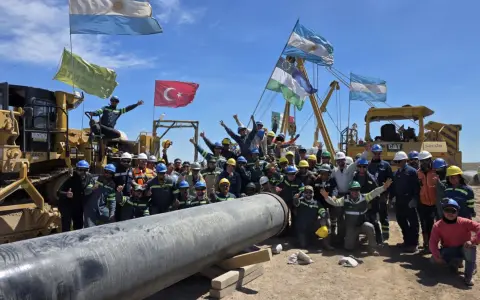
Preparatory work is underway for the directional drilling on the north bank, while on the south bank a welded and hydrostatically tested pipe section is ready for insertion, with additional works still pending at the site.
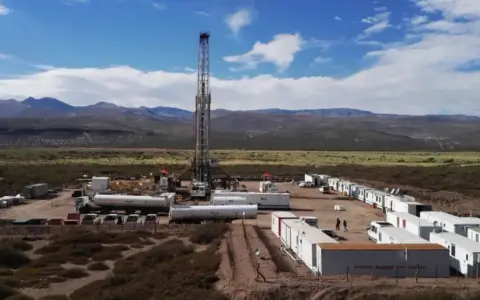
The four-well pilot in the shale oil window—carried out in partnership with TotalEnergies as operator—confirmed commercially viable production. It involved horizontal wells with hydraulic fracturing in the oil window, a liquids-rich shale zone distinct from the dry gas window that dominates other areas of the formation.
The pipeline will be 209 km long, linking the northern area of the Neuquén Basin with the pumping station in Allen, Río Negro. The project will expand the transport system’s capacity from 20,400 to 55,400 cubic meters per day and will connect to the Vaca Muerta Oil Sur (VMOS) system.
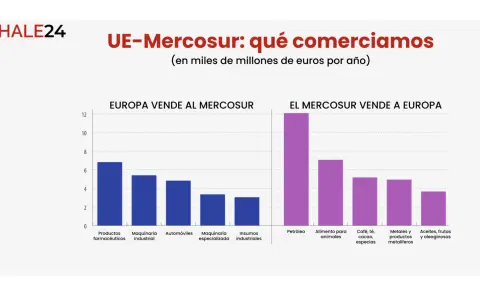
By combining the European Union’s engineering expertise and innovation capacity with Mercosur’s unique geological endowment, the treaty will make many energy projects more economically attractive.