
The Argentine asset is being sold
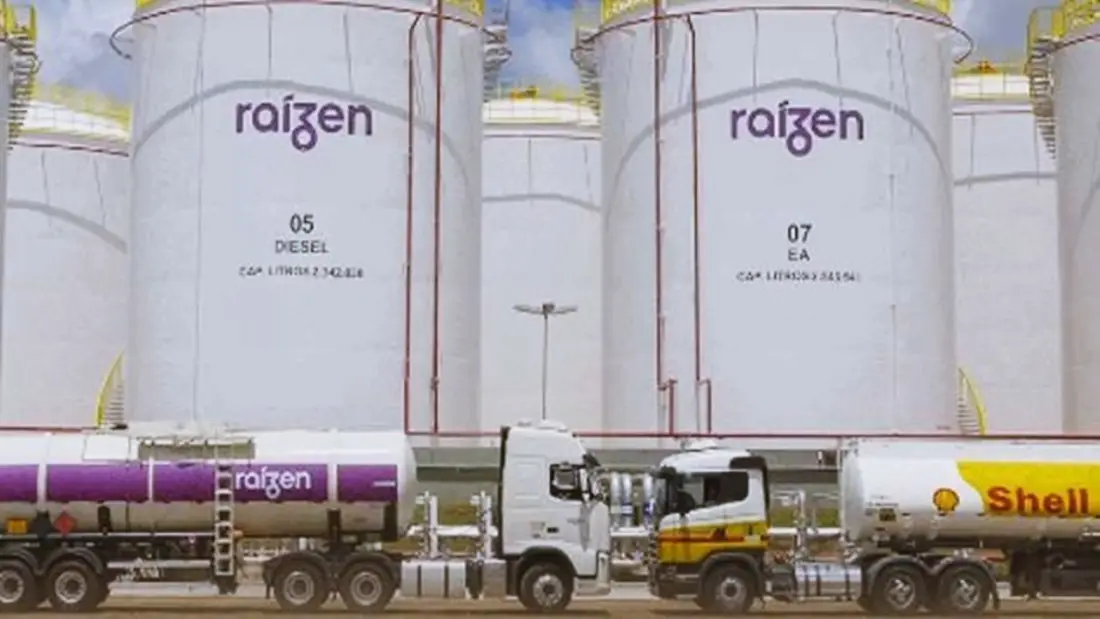
There is a phrase by consultant Nicolás Taiariol, an Oil & Gas specialist, that summarizes the problem more precisely than any balance sheet: “The decision is not explained by the performance of the Argentine business, but by a global financial need that forces the monetization of assets even when they operate reasonably well.”
Raízen’s local business grew 7.7% in sales between April and December 2025 and generated a profit of $238 million. It does not matter. The Dock Sud Refinery and nearly 900 Shell service stations are up for sale. The reason must be sought in São Paulo, not in Buenos Aires.
Raízen is the result of one of the most ambitious bets in the Latin American energy industry: the 2011 merger of Shell’s fuel operations in Brazil with sugar giant Cosan, under the premise that sugarcane ethanol — and later second-generation cellulosic ethanol — would become the transition fuel the world needed. For a decade, that logic worked.
Brazil is the world’s largest producer and exporter of sugar, and Raízen built on that base a network of more than 6,200 service stations, in addition to its presence in Paraguay and Argentina, more than 1,000 convenience stores and bioenergy plants that turned the company into a global reference in the sector.
However, the problem arrived with investments in cellulosic ethanol: extremely costly plants that process sugarcane bagasse to produce a cleaner second-generation fuel. The market did not validate that bet with the expected level of demand.
Sugar and ethanol prices went through unfavorable cycles. Margins compressed. And the debt accumulated during the expansion — now totaling $14.234 billion — was left without the cash flow needed to sustain it.
Debt, banks and the letters
The deterioration accelerated over the past two fiscal years. In the April–December 2025 period, Raízen reported global losses of nearly $3.8 billion. The last fiscal quarter was the worst: close to $3 billion in the red, six times more than the previous quarter.
Credit rating agencies reacted quickly. Fitch Ratings first downgraded the company’s credit rating to “B” and then, the same day, to “CCC.” S&P Global Ratings followed with a downgrade to “CCC+.” In the world of corporate credit, that rating means one thing: imminent default risk if action is not taken.
Creditors acted. In the last week of February, a group of bondholders and creditor banks sent two letters to Cosan and Shell — the shareholders that each control 44% — demanding a substantial capital injection. Among the signatories were JPMorgan, Bank of America, BNP Paribas, Sumitomo Mitsui Banking Corporation, Crédit Agricole, Banco do Brasil, Santander, Itaú Unibanco and Bradesco, along with the bondholders’ representative, investment bank Moelis & Company.
The amount requested: up to $4.874 billion. The estimated total financing gap exceeds $4.9 billion.
The response was neither immediate nor coordinated. Cosan, which is facing its own financial difficulties, has limited capacity to respond and pledged 500 million reais (about $95 million). Shell adopted a more active stance and committed 3.5 billion reais (about $670 million). The financial gap remains significant.
That is why the company is pursuing an out-of-court restructuring: it seeks to open a 90-day standstill period to negotiate debt-to-equity conversions and maturity extensions.
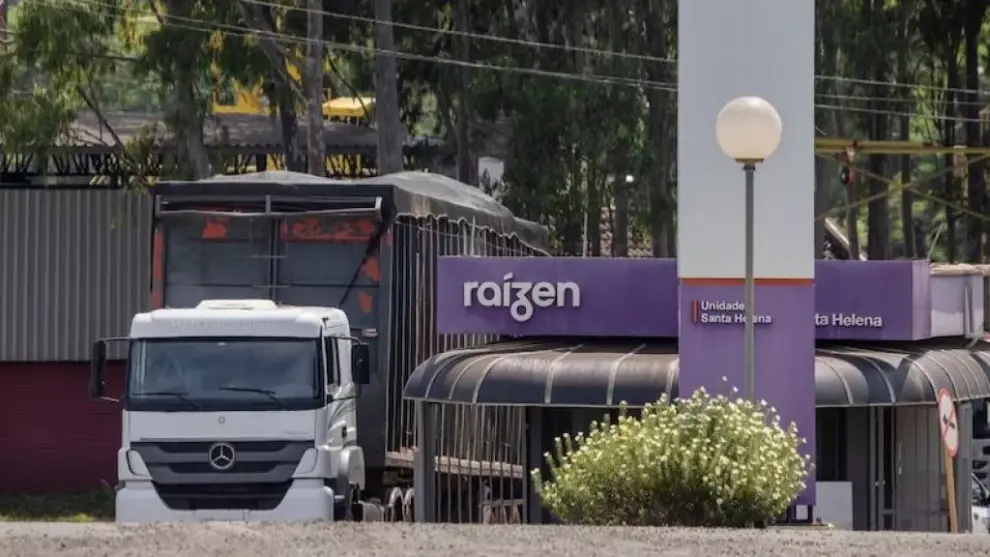
Argentina: the profitable asset that gets sold first
In that context, Raízen’s Argentine operation follows a logic that is financial rather than industrial. The company entered the country in 2018, paying $950 million for Shell’s downstream assets and investing $715 million to modernize the Dock Sud refinery, the third-largest in Argentina, with capacity of 101,000 barrels per day.
With the liberalization of fuel prices under the current government in Argentina, the value of those assets increased. The business improved. And paradoxically, that improvement is what makes them sellable: a distressed asset does not attract buyers; a profitable one does.
The transaction includes the Dock Sud refinery, nearly 900 Shell service stations — about 19% of the national fuel market — a lubricants plant, inland terminals and airport fueling bases. The estimated value ranges between $1 billion and $1.6 billion. CEO Nelson Gomes himself has spoken of an expectation above 10 billion reais (more than $1.7 billion).
Mercuria: the buyer that already has a foothold in Vaca Muerta
The group moving furthest ahead in negotiations is Mercuria Energy Group, the Swiss energy trading firm that in Argentina is a shareholder of Phoenix Global Resources, an oil producer operating in Vaca Muerta alongside businessman José Luis Manzano. The offer is around $1.4 billion, although sources say the final price would likely fall below $1.2 billion.
Vitol, another giant in global energy trading, is competing with a proposal close to $1.6 billion. Compañía General de Combustibles (CGC), the oil company of Eduardo Eurnekian, is also among the interested parties.
If Mercuria ends up acquiring the assets, the result would be vertical integration: the same group extracting unconventional crude in the Neuquén Basin would control the refinery capable of processing it and the network of service stations that distribute it to end consumers.
CEO Nelson Gomes aims to close the transaction before the end of the year. The out-of-court restructuring would give Raízen the financial breathing room to reorganize its balance sheet, with the sale of the Argentine assets as one of the pillars of the plan.
What remains clear in any scenario is what Taiariol pointed out: the problem was never on this side of the river.