
The company currently operates 13 drilling rigs in the Neuquén Basin
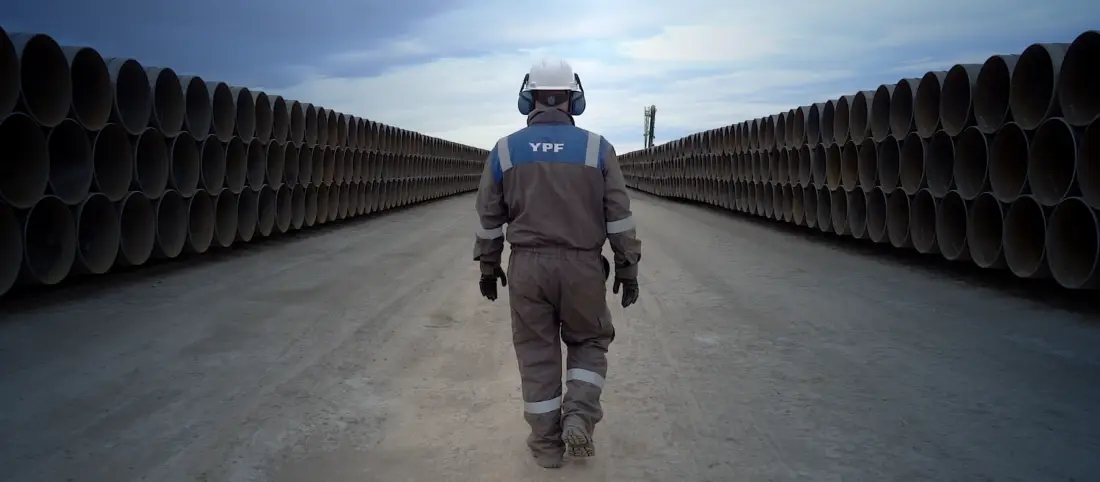
YPF, Argentina's state-controlled oil and gas company, is scaling its Vaca Muerta drilling campaign in lockstep with the construction timeline of the Vaca Muerta Oil Sur pipeline (VMOS) — adding up to five rigs on a staggered schedule designed to deliver 250,000 barrels per day (bbl/d) net by December, when the export pipeline is expected to receive its first crude.
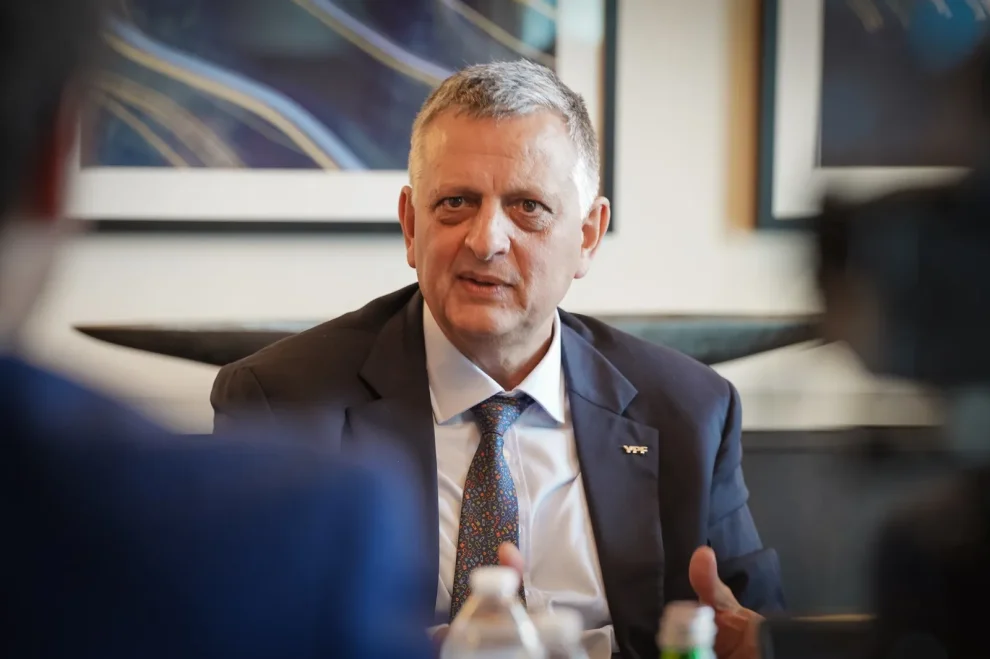
The company currently operates 13 drilling rigs in the Neuquén Basin, Argentina's main hydrocarbon-producing region, having already brought one additional rig online. New equipment is scheduled to come online in July, August, and December, bringing the total fleet to between 17 and 18 rigs by year-end. YPF president and CEO Horacio Marín laid out the schedule at CERAWeek, the annual global energy conference organized by S&P Global, in Houston this week.
The broad parameters of the campaign were first disclosed to Shale24 in an exclusive December interview with Marín at YPF's Buenos Aires headquarters. CERAWeek provided the precise schedule and the arithmetic behind it.
Overcoming Natural Decline to Net 50,000 Additional bbl/d
Marín framed the challenge in rough-and-ready terms: without additional drilling, YPF's production declines naturally by approximately 60,000 bbl/d by December. Output would fall from the current 200,000 bbl/d net to roughly 140,000. The new rigs must first recover those 60,000 barrels — then add 50,000 more on top, all concentrated in the second half of the year when the additional equipment comes online.
YPF closed 2025 with shale output of 204,000 bbl/d, according to fourth-quarter results presented to investors in February. The December target implies growth of nearly 25% over that base in twelve months — a year in which the company is also completing the divestiture of its conventional fields, part of a strategic pivot toward concentrating capital in Vaca Muerta shale. Drilling costs have fallen to $4,000 per meter, a level Marín cited as placing YPF at the vanguard of the domestic sector; that cost discipline is what makes an intensive campaign viable without compressing returns.
The back-loading of the effort into the second half of the year is deliberate: it aligns with the point at which new rigs will be fully operational and — more importantly — when the VMOS is expected to be ready to accept crude.
Pipeline Progress and Timeline
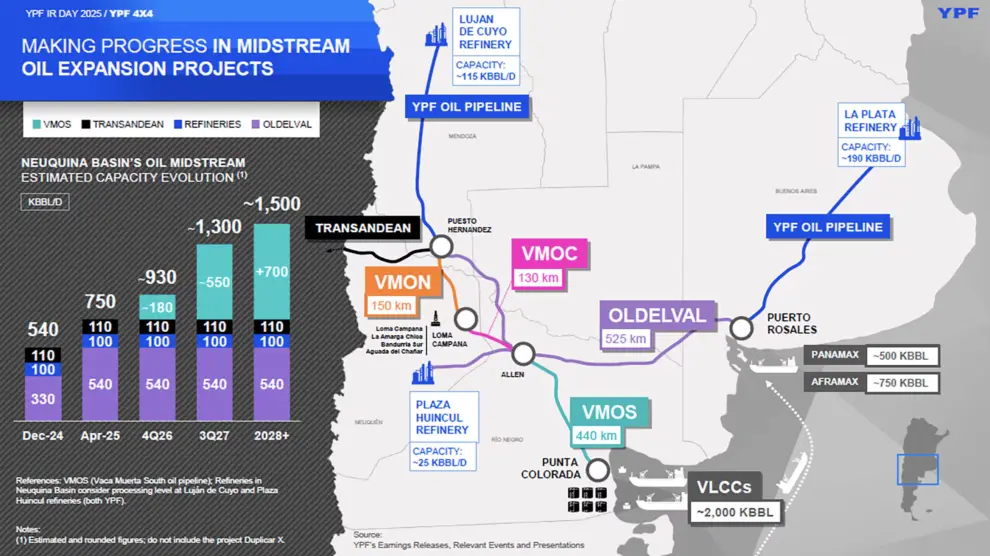
The VMOS is 54% complete and recently finished the horizontal directional drilling (HDD) crossing of the Río Negro river, one of the project's most technically demanding segments. The pipeline runs 437 kilometers to the Punta Colorada terminal in Río Negro province — Argentina's dedicated Atlantic crude export terminal, positioned to load cargoes onto routes that bypass the Strait of Hormuz and the Suez Canal — and is scheduled for an early startup in the third quarter of 2026, with an initial throughput capacity of approximately 180,000 bbl/d, a Phase 1 figure designed to ramp as upstream volumes grow, according to the VMOS S.A. consortium, the nine-company joint venture building and financing the pipeline. Full export volumes are expected in the final months of 2026 or early 2027. The project secured a $2 billion syndicated loan in 2025 to finance construction.
The sequencing is straightforward: rigs added in July and August must be producing by the time the pipeline opens its valves. Those added in December will feed the subsequent growth ramp.
Chevron's Public Endorsement
CERAWeek also delivered an endorsement Marín did not let pass. Chevron CEO Mike Wirth publicly praised Argentina's new regulatory framework — the sweeping deregulation and investment incentive package introduced by President Javier Milei's administration since late 2023 — and the potential of Neuquén's shale at the conference opening.
"Argentina is consolidating itself as an energy supplier country that it never was before," Marín said afterward. "It makes it more mainstream. Before, I knew what he thought. Now everyone hears it."
The remarks carry weight beyond optics: Chevron is one of the nine shareholders of VMOS S.A. — alongside YPF; Pan American Energy (PAE), Argentina's largest private oil producer; Vista Energy, an independent Vaca Muerta-focused producer; Pampa Energía, a diversified Argentine energy company; Pluspetrol, an Argentine independent oil and gas producer; Shell Argentina, a subsidiary of the Anglo-Dutch energy major; Tecpetrol, the Techint Group's exploration and production subsidiary; and Gas y Petróleo del Neuquén (GyP), Neuquén province's state oil and gas company. Wirth's public backing signals that capital already committed to the project is not wavering.