
Tensions in the Middle East


While war is never good news, it can trigger sharp shifts in markets — especially when the epicenter is a country with a major hydrocarbons industry. Oil prices are soaring amid the crisis in Iran — Brent traded around $83 per barrel Wednesday — but only a sustained period of high prices could ultimately benefit Argentina’s Vaca Muerta shale formation.
Ernesto Díaz, vice president for Latin America at Rystad Energy, told Shale24 that the conflict involving the United States and Israel with Iran — which is affecting the broader Middle East, particularly through disruptions in the Strait of Hormuz — will put pressure on Argentina’s macroeconomy. The effects could be felt in areas such as inflation and the cost of imported fuels or retail pump prices, although Argentina’s state-controlled oil company YPF has tried to ease concerns on that front.
“The conflict in Iran is injecting a geopolitical risk premium into global markets, which is why oil and gas prices have surged as we’ve seen in recent days,” Díaz said. “Argentina could benefit from a sustained increase in prices, depending on how long this shock lasts,” he added.
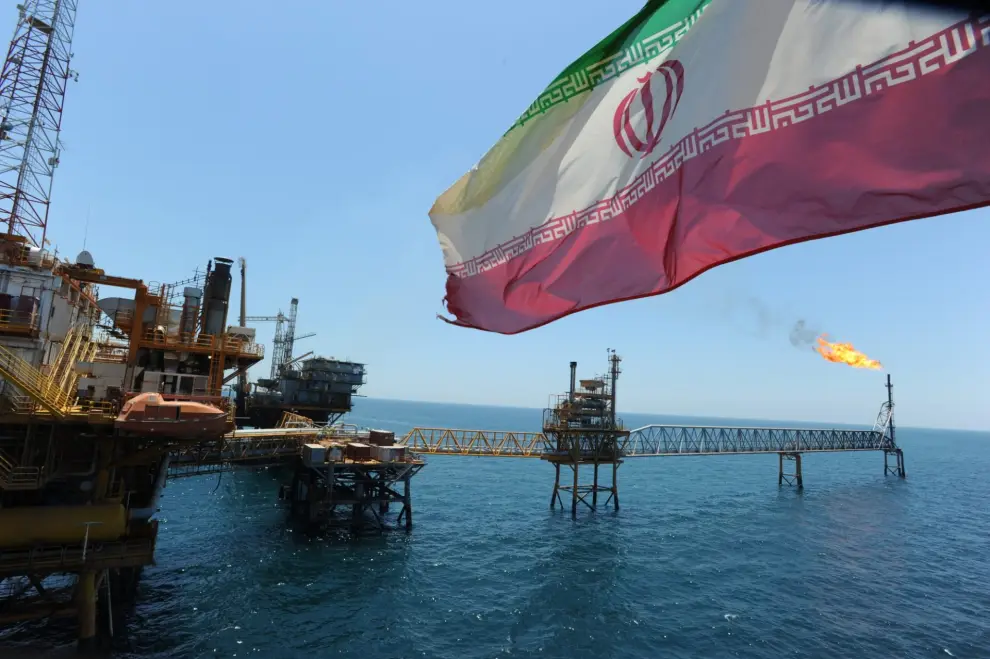
Rising crude prices represent an “Achilles’ heel” for Donald Trump, who has become directly involved in the conflict. While he campaigned ahead of the November midterm elections on lowering fuel prices — a goal he partly pursued by reopening flows from Venezuela — cheap energy will be difficult to sustain in the United States if tensions in the Middle East persist, as Shale24 previously reported citing an analysis by Kpler.
“Argentina could benefit through higher export revenues from crude and gas, thanks to production from the unconventional resources in Vaca Muerta. However, the net impact will depend on how long this shock lasts and how global financial markets evolve,” the Rystad executive explained.
“If high prices hold or later correct, they will still be an important variable to watch once global tensions ease. In the short term, we are already seeing increases in international crude benchmarks, which could improve Argentina’s export margins,” he said.
“However, this effect will also put pressure on inflation and on the cost of imported energy. If the impact reaches the pump, it could affect logistics and transportation costs across the country,” Díaz emphasized.